

Utility Process Automation for Australian Energy and Water Retailers
Utility Process Automation for Australian Energy and Water Retailers.
You open the week and the same backlog is waiting. Estimated meter reads to clear, billing exceptions to chase, a move-in stuck against its B2B clock, and an AER report that swallows two analysts before its deadline. Most of it is rekeying between a billing system and the market platforms that were never built to talk. We automate the predictable part of that load, so a read inside tolerance clears itself and only the genuine outliers reach a person. Your team stops feeding systems by hand and gets back the hours that disappear into copy-paste, while market submissions stay checked and traceable.
Book a discovery callRepetitive utility work worth automating
Estimated-read and billing exceptions
Reads get validated against tolerance and consumption history, so the obvious estimates clear automatically and a revenue-assurance analyst only opens the accounts that genuinely fall outside the rules, not every flagged row in the cycle.
Connections, transfers and de-energisation
Move-in, move-out, retailer-transfer and de-energisation requests get orchestrated across your customer-information system and the market platforms, with each B2B timeline tracked so nothing quietly breaches its window.
Outage intake and crew dispatch
Unplanned-outage notifications get triaged and routed to the right crew with the correct asset detail attached, so field teams arrive informed and customers receive a restoration estimate based on real data.
Regulatory and market reporting assembly
The data behind recurring AER performance reporting and AEMO settlement pulls gets gathered and reconciled automatically, with gap checks that surface a missing value before an accountable person signs and submits.
Where the week actually goes
If you run a small or regional energy or water retailer, the bottleneck is rarely the big decisions. It is the volume of small, deadline-bound steps that sit between your systems. A meter read leaves a metering coordinator, runs through validation, lands in billing, and goes back out as a market transaction. At every hop someone checks, corrects or rekeys it. Across hundreds of thousands of accounts and a calendar full of AEMO and AER obligations, that hand-work becomes the thing holding you back. Add legacy platforms that do not share data cleanly, and your team spends its time moving information rather than acting on it.
Why switching on a tool falls short
The instinct is to buy an automation product, point it at the backlog and hope. With utility work that approach usually breaks, because the hard part is not the automation engine. It is the messy reality underneath. Your usage, asset and customer data is split across systems that disagree, market transactions carry strict timing and format rules, and a wrong message sent to market has consequences a generic tool will not understand. A script that quietly drops a settlement value or breaches a B2B window does not save you time, it creates a costly clean-up. The work has to be understood and bounded before it is automated, not after.
How we deliver it for utilities
We automate around the platform you already run rather than asking you to replace a customer-information or billing system mid-flight. We connect through its database, file interfaces or APIs, and we apply three principles from our approach to this exact pairing.
First, healthy data ecosystems. Usage, asset and customer data gets unified and reconciled so an automation acts on figures that agree, which is also what makes real utility analytics possible later. Second, training, security and governance, because utilities are critical infrastructure. Market-facing steps get strict validation and access controls, and a bad message is held back before it reaches AEMO. Third, documented and versioned process. Every automation is written down, version-controlled and overseen by a named person, so a market transaction or a regulatory submission can be traced rather than living in a fragile script no one can fix.
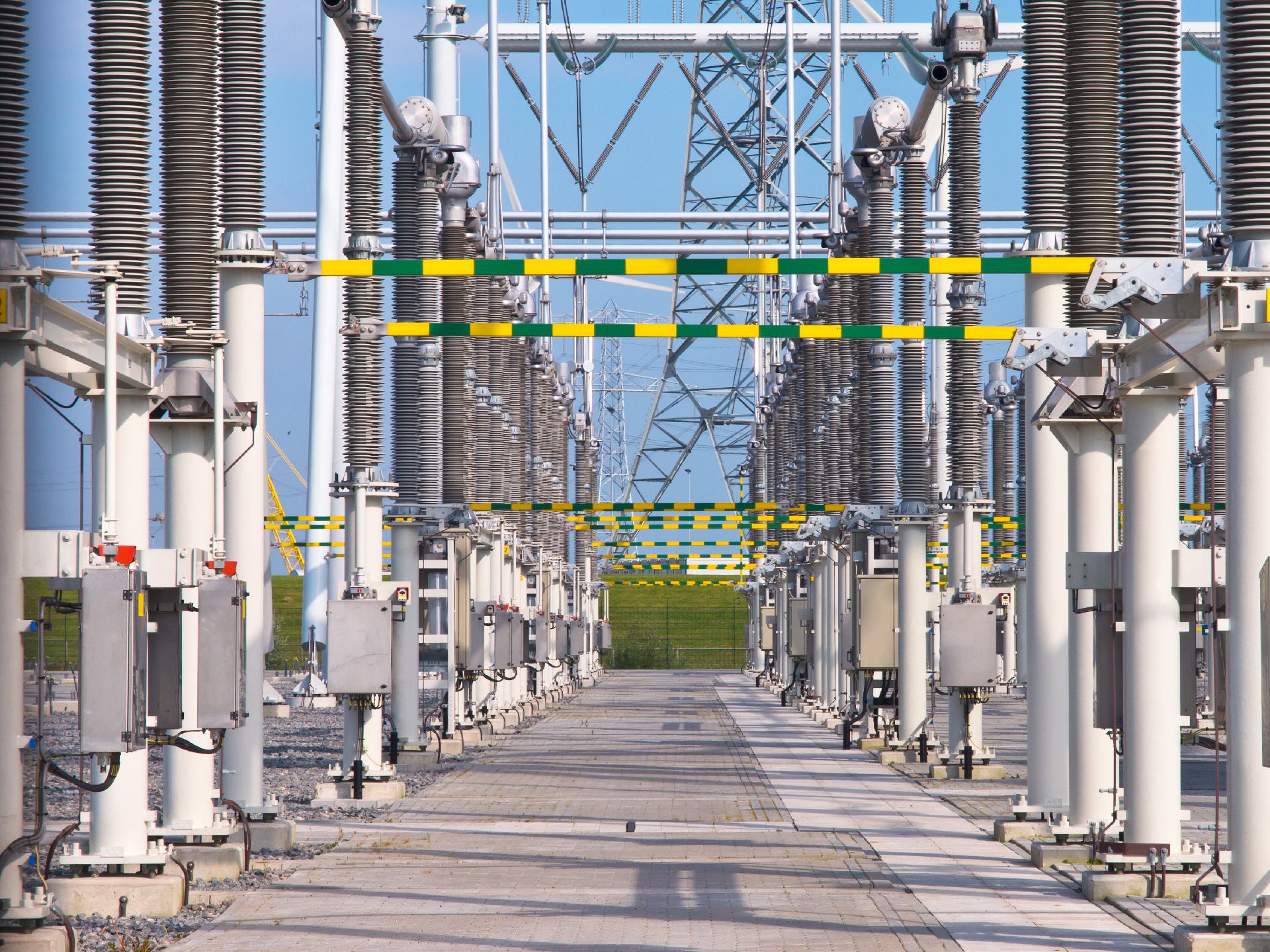
We work in small batches. We take one process, prove it against your real historical volumes, instrument it so you can see what it clears, what it escalates and where it errs, then widen scope once it has earned trust on actual cases.
When it is, and is not, the right call
Automation suits the high-volume, rules-heavy parts of meter-to-cash and field coordination, where the rules are clear and a slip is recoverable. It is the right call for estimated-read exceptions, connection orchestration and reporting assembly. It is the wrong first move when the underlying data flow is too tangled with market timing to automate safely. In those cases we say so, and we fix the process first, often alongside process optimisation, before we automate anything. We do not promise fully autonomous operation, and consequential steps keep a person in the loop until the numbers justify more.
This is built for the framework you operate inside. The AER sets performance and reliability obligations, AEMO governs market transactions, MSATS and settlement, and state economic regulators add their own rules. We build for that, and the documented, versioned records give you an audit trail that stands up to scrutiny without claiming compliance on your behalf.
Related reading
Explore the broader automation and efficiency service, the utilities industry page, and data insights and analysis for turning unified usage and asset data into utility analytics.
Read more about our Automation & Efficiency service and our work in Utilities sector.
Representative solutions.



Frequently asked.
How much does the smart grid cost?
How can AI help in energy utilities?
How are utilities using AI?
What is a smart grid and how does it work?
Why do AI models take so much energy?
Where do you start with a utility?
Pick the first backlog to clear
Tell us where the week disappears, whether that is exception billing, connections or AER reporting. We will say plainly whether automation is a safe fit for it and what standing it up would take.
Book a discovery call