

Energy Data Modernisation Services for Utilities
Energy Data Modernisation Services for Utilities.
You already know which system you dread touching. It is the billing engine, the meter data store or the outage interface that someone built a decade ago, that nobody fully understands, and that quietly governs whether your customers get accurate bills tomorrow. You put off replacing it because supply, safety and regulated reporting cannot pause while you do. We move that system in small, proven steps instead of one nervous switch-over. Each step runs against your real meter and billing data before it goes live, with the old setup ready to fall back on. You modernise without betting the network on a single cut-over night.
Book a discovery callWhere staged migration helps regional utilities
Freeing trapped usage and asset data
Pulling interval reads, asset records and customer history out of an ageing core so they feed real utility analytics instead of sitting locked in a system only one retiring engineer can query.
Billing engine replacement, batch by batch
Moving off an old billing platform tariff by tariff, reconciling each customer segment against historical bills so concessions and meter reads carry across before any group is cut over.
Meter data store modernisation
Migrating accumulation and interval data, including AEMO-facing records, with validation that estimates and substitutions match the source so market settlement stays consistent through the move.
Regulated reporting rebuild
Reconstructing the pipelines behind AER and state regulator submissions so each report ties to the cent against the system it replaces, with a documented record of how every figure was derived.
Most regional utilities and energy retailers sit in the same spot. A core system is ageing, the vendor support is thinning, and the one person who really understands it is close to retirement. The data you need for better network and customer decisions is locked inside that system. So the work that should be straightforward, like changing a tariff or pulling a clean usage report, takes longer every year and carries more risk. The system holds you back, but touching it feels riskier than leaving it alone.
That stand-off is the real problem, and it is why analytics projects in this sector so often stall. You cannot get sharper load forecasting or faster customer service when the underlying usage, asset and customer records are trapped in a platform built for a different decade.
Why a tool purchase alone does not move you
The tempting fix is to buy a modern platform, schedule a cut-over weekend, and switch. For a utility this is the version most likely to end in a horror story. A wrong tariff mapping at cut-over means thousands of incorrect bills. A break in the meter data feed puts you out of step with AEMO market settlement. A gap in regulated reporting leaves you unable to reconcile your next AER submission. The software is the easy part. Moving onto it without interrupting supply, misbilling customers or losing your reporting trail is the hard part, and no product does that for you out of the box.
A big-bang migration also assumes you can fully document a system nobody fully understands. In practice the old platform is full of undocumented rules that have accreted over years. Switch everything at once and you discover those rules the hard way, in production, with customers and a regulator watching.
How we deliver it for utilities
We make the migration deliberately dull. The approach rests on three principles from our approach, applied to your specifics rather than recited.
Working in small batches. We move the system piece by piece, proving each step before the next. A billing migration runs tariff by tariff and segment by segment, not all accounts in one night. A meter data move is validated against the source before any market-facing record depends on it. You are never one failed migration away from a network-wide problem, because no single step is network-wide.
A documented, versioned process. Every step is recorded and reversible. We start by reverse-engineering what the old system actually does, the calculations and integrations and quiet exceptions, and turn that into the test the new system must pass. For a utility this record does double duty. It controls the migration, and it gives you a defensible audit trail when the AER or a state regulator such as the ESC or IPART asks how a figure was derived.
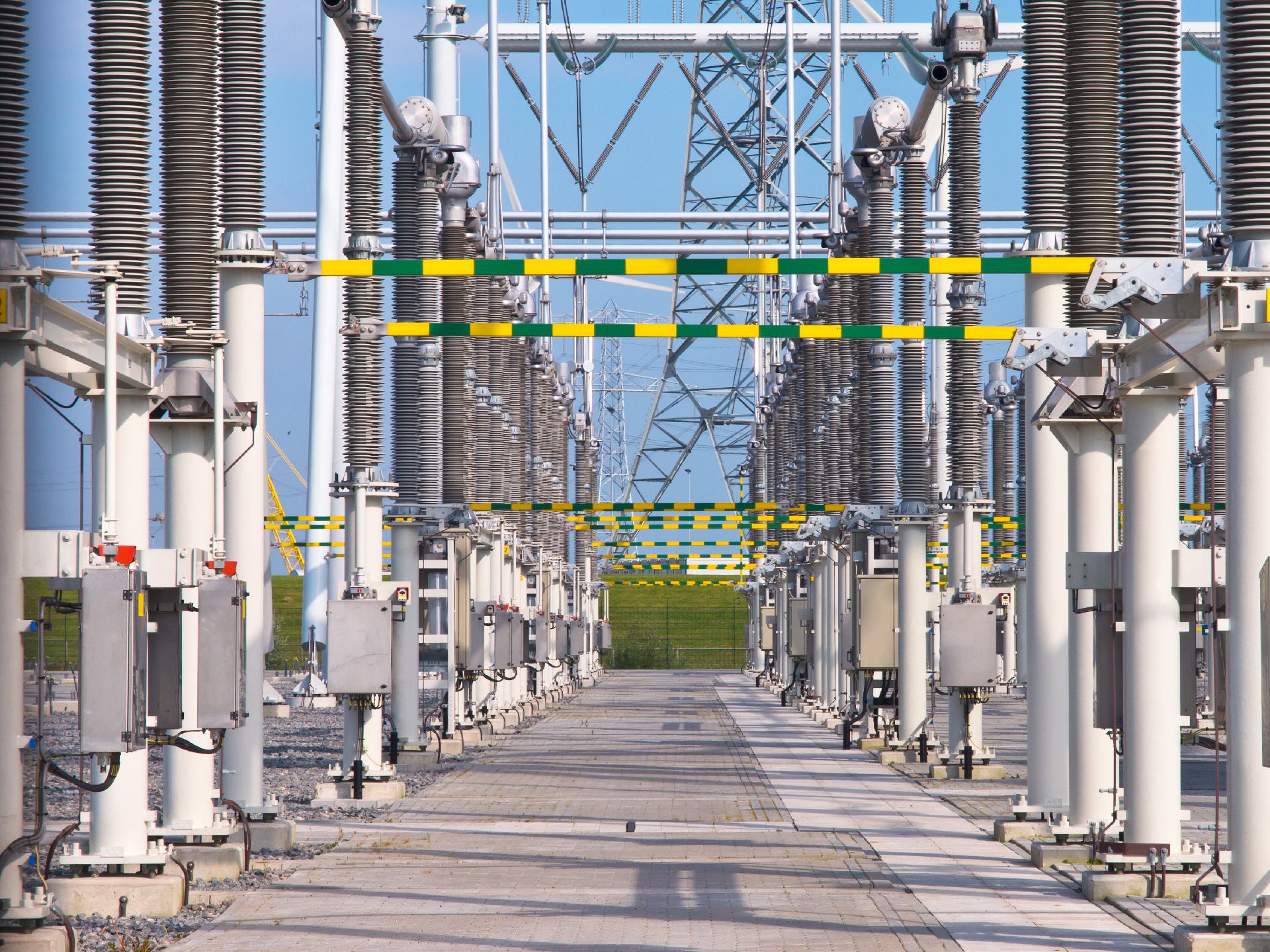
Healthy data ecosystems. As the data moves, we clean and unify it rather than copying old problems into a new home. Usage, asset and customer records that were scattered across silos come out the other side ready for the analytics you actually wanted, with the reads, estimates and substitutions reconciled against the source.
Because utilities are critical infrastructure, security and governance run through all of this. We treat market settlement consistency and regulator obligations as fixed constraints the migration is designed around, not as something the new system is assumed to handle.
When this is the right call, and when it is not
Staged migration is the right call when an ageing core is actively holding back your reporting or analytics, when supply and settlement cannot tolerate a risky cut-over, and when the system’s rules are poorly documented. It suits small and regional operators rather than the national majors, and it suits teams that want to spend on the pieces that pay back first.
It is not the right call if your current system is simply underused. If the platform is sound and the real gap is reporting or analytics, we will tell you so and point you at the lighter work instead. We are honest about which systems are safe to move now and which need more groundwork first, and about timelines that incremental work realistically takes.
Where to go next
This pairing sits alongside related work. See Legacy System Migration for the staged method in full, Cloud & Integration for connecting the modernised systems, and Data & Analytics for the utility analytics the freed data makes possible. For more on the sector, see Utilities.
Read more about our Legacy System Migration service and our work in Utilities sector.
Representative solutions.

Frequently asked.
How much does the smart grid cost?
How can AI help in energy utilities?
How are utilities using AI?
What is a smart grid and how does it work?
Why do AI models take so much energy, and does machine learning use a lot of energy?
What is energy in machine learning, and what kind of AI uses the most energy?
Scope the migration before you commit a dollar
Tell us which platform is holding your operation back, whether it is billing, metering or reporting. We will map what a safe, staged move would take, with supply and regulator obligations protected at every step.
Book a discovery call