
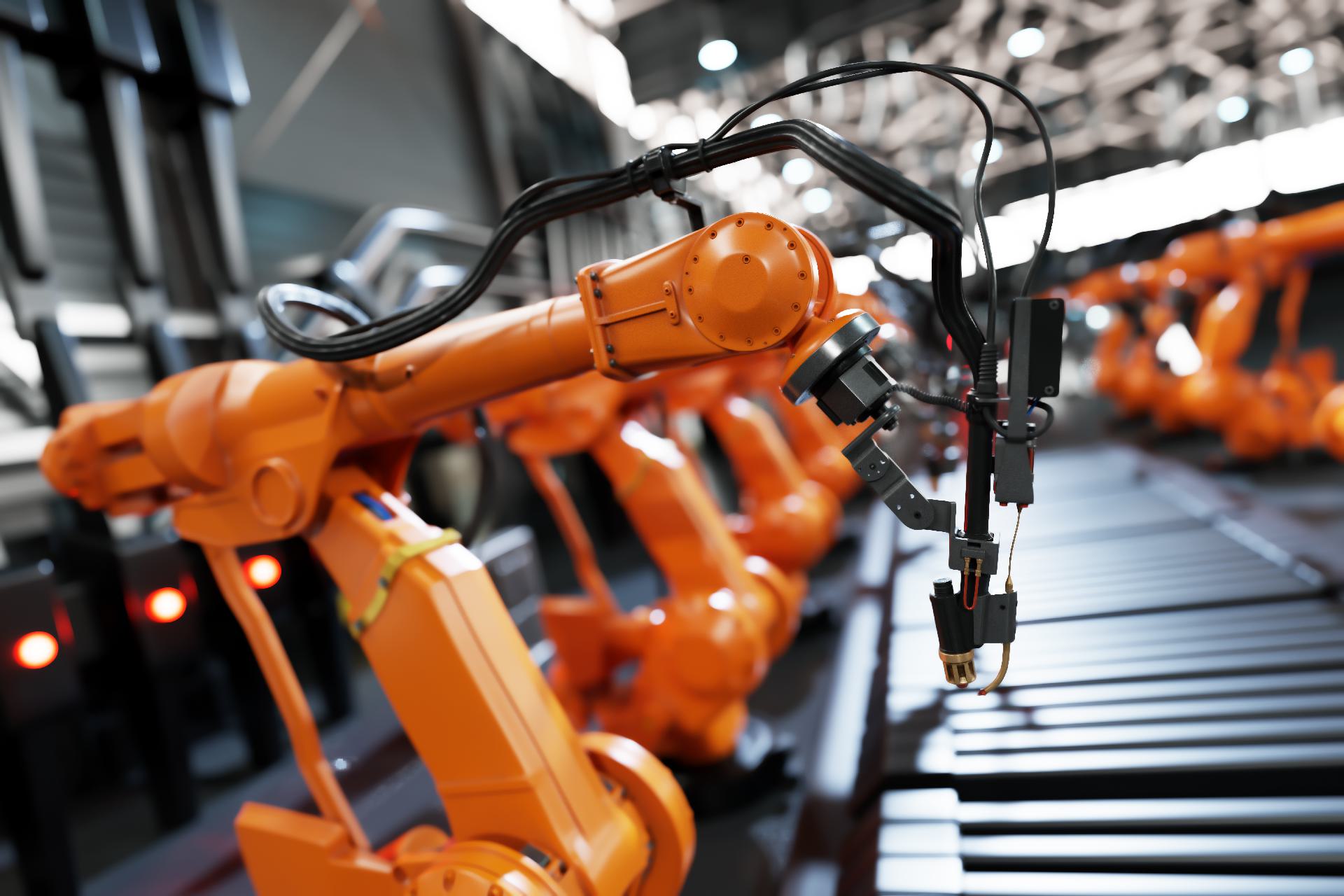
Evidence-Based Decisions on the Manufacturing Floor
Evidence-Based Decisions on the Manufacturing Floor.
You walk the floor at the start of the shift and three people tell you three different reasons the line ran short yesterday. The schedule was set off a spreadsheet, the quality issues are on a whiteboard, and the ERP says something else again. So when you decide which job to expedite or which machine to service first, you are weighing opinions, not figures. We change what sits in front of you when that call gets made. We bring production, quality and machine data into one agreed view, write down how each decision was made and why, and improve it one line at a time so you can act on what the floor actually produced instead of who argues hardest in the morning meeting.
Book a discovery callDecisions we help manufacturers get right
Choosing what to fix first
A ranked, evidence-based view of which loss costs you the most across lines and shifts, so maintenance and capital go to the constraint that actually limits output rather than the machine that gets complained about loudest.
Settling the schedule argument
Production and quoting decisions made off real cycle times and demand patterns instead of a static spreadsheet, so the daily plan reflects what your plant can genuinely deliver and changes are logged, not improvised.
Calling quality issues by cost, not noise
Scrap and rework decisions ranked by where the money really leaks, so improvement effort lands on the defect that hurts margin instead of the one that happened most recently.
Deciding when the data is good enough to act
An honest read on which machine signals are reliable and which have gaps, so you know when a number is solid enough to bet a decision on and when it needs better instrumentation first.
Where this leaves you stuck
Your plant already produces the data. Machine states stream out of SCADA, counts come off the MES, inspection results go into a quality system, and order and cost figures live in the ERP. A fair amount still sits on paper and whiteboards near the line. The problem is that none of it lands in front of you at the moment a decision gets made. So the choice of which job to expedite, which machine to service, or which defect to chase gets settled in the morning meeting by whoever speaks with most confidence. The data exists. It just is not at hand when the call matters, and when two reports do surface they tend to disagree.
That is the gap this service closes. It is not about building you another dashboard. It is the habit and the lighter tooling that put a trustworthy number in front of the person making the call, plus a record of how each call was made.
Why a tool on its own under-delivers
It is tempting to buy a data pipeline product, point it at the historian, and assume better decisions follow. They rarely do. A pipeline moves data. It does not agree with your operations lead on what a downtime event is, and it does not stop the boardroom OEE figure disagreeing with what the line foreman saw. Without that agreement you get faster reporting of numbers nobody trusts, which is worse than slow, because it adds a confident wrong answer to the argument.
There is a sharper risk here too. Speeding up a decision process that points the wrong way just gets you to the wrong place faster. A plant that automates scheduling off bad cycle-time data does not save time. It misroutes jobs at speed. This is principle #8 from our approach, the result focus that treats a faster decision as worthless unless it is a better one. So we hold the outcome, the actual production call, ahead of the tooling.
How we deliver it for your plant
We start from the decision, not the data lake. Pick the one loss that costs the most and is hardest to pin down. Then we do three things that no tool does on its own.
First, healthy data foundations, principle #4. A decision is only as good as the data behind it, so we bring production, quality and machine data into one place and agree the definitions once, with your operations and quality people in the room. What counts as a stoppage. What counts as a good unit. How OEE is calculated. Built in once, so the floor and the boardroom read the same figure.
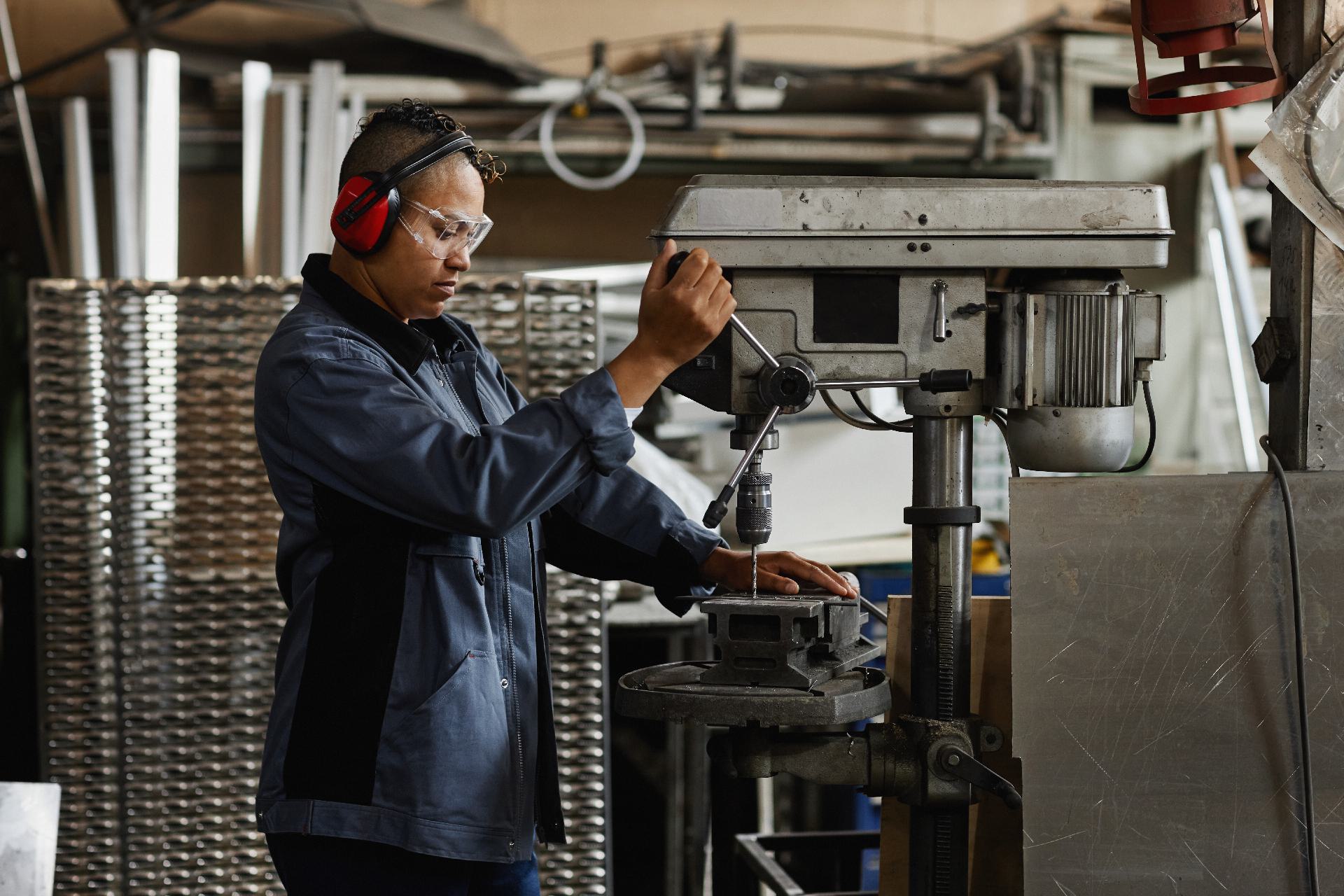
Second, documented decisions, principle #6. We version the decision log and the definitions behind each call. When you decide to service one machine over another, the reasoning and the numbers that drove it are recorded. Six months on you can look back and see what actually worked, which turns a string of one-off calls into something your plant learns from. It also gives you audit-ready evidence when WHS, conformance or environmental obligations are tested, without us making any regulatory promise on your behalf.
Third, small batches. We make one decision view trustworthy, validate it against what the line genuinely produced so operators recognise the figures, then extend the same approach across the plant one loss at a time.
When this is the right call, and when it is not
This service fits a plant that has the data but keeps deciding on opinion, where the numbers conflict and meetings turn into debates about whose report is right. It is the decision habit and the lighter tooling around it.
It is not the right call if what you actually need is the reporting and analytics built from scratch. That is heavier engineering work, and it is a different service. If your bottleneck is that the data simply is not captured yet, we will say so plainly and point you at instrumentation first, rather than dressing up a guess as analysis. Being upfront about that is the point.
Related services and industries
If you need the reporting and analytics layer built, see Data Insights and Analysis. For the broader picture of automation on the floor, see Manufacturing. And to understand the principles behind how we work, read our approach.
Read more about our Data-Driven Decision Making service and our work in Manufacturing sector.
Representative solutions.

Frequently asked.
What is the difference between ADF and Fabric Data Factory?
Which AI is best for the manufacturing industry?
What is the difference between a software factory and an AI factory?
Is Azure Data Factory being phased out?
What skills are needed for a data factory?
Where should a manufacturer start?
Decide off the floor's real numbers
Tell us the production, downtime or quality call your plant keeps making on disputed figures. We will show you what one agreed view across your machine and production data looks like before you commit to anything.
Book a discovery call