Where small manufacturers lose time and margin
Run a small manufacturing business or a job shop in Australia and the squeeze is familiar. Margins on each job are thin, so waste and rework hurt. Machines are expensive to stop, and they tend to stop at the worst moment. And a surprising amount of the day goes on office work that surrounds the floor rather than the floor itself.
Most of the warning signs are already there. A machine starts vibrating differently. A supplier’s lead time drifts out. Defects creep up on one line. The trouble is that this information sits in the machines, on whiteboards, on paper job cards, and in the heads of long-serving staff. It rarely reaches a supervisor or planner in time to act. By the time it does, the line has stopped, the batch is scrapped, or the job is already late.
This page is written for established shops of roughly 10 to 200 staff, where the owner, GM or ops lead is time-poor, sceptical of hype, and has no in-house AI team. The work we describe is shop-floor practical. It’s about jobs, downtime and margin, not buzzwords.
Why buying a tool alone falls short
The instinct, when a vendor demos something slick, is to buy it, switch it on, and hope. A fortnight later it’s either giving numbers no one trusts or sitting unused because it never connected to how the shop actually runs.
A tool on its own doesn’t fix the real problem, which is that your production, quality and cost data don’t talk to each other. A scheduling tool that can’t see real machine capacity just makes prettier guesses. A quality module that no one fills in is another screen to ignore. The value isn’t in the software by itself. It’s in getting the foundations right first, then building something narrow that does a real job and earns trust before it grows.
That’s the difference between a demo and something that still helps six months on. The engineering goes into the parts you don’t see in a sales pitch.
How we deliver it
We lean on a few principles, and you can read more about them in our approach.
Healthy data ecosystems. Before anything clever, we bring your production, quality and cost data into one place. That means getting numbers off old and new machines, out of spreadsheets, and off the whiteboard, into a form a tool or a person can actually use. Most of the early value comes from this alone, because once a supervisor can see current floor numbers, decisions stop being guesses. This is principle four, and on a manufacturing floor it’s where the real work starts.
Working in small batches. We don’t rebuild your whole operation at once. We pick one line or one process, build something focused, and prove it on real production before going wider. If predictive maintenance on your most critical machine pays off, that’s the win we expand from. If it doesn’t, you’ve risked very little. This is principle seven, and it keeps risk low and value early.
Documented, versioned process. Quality records and process changes are kept traceable, the same way good teams manage code. Every change to how a tool behaves, and every quality record it captures, is recorded and can be rolled back. The payoff is repeatable output and audit-ready quality evidence, which matters when a customer or an auditor asks how a batch was made.
These foundations are what separate a tool that quietly earns its keep from one that becomes another thing to ignore.
Working within Australian obligations
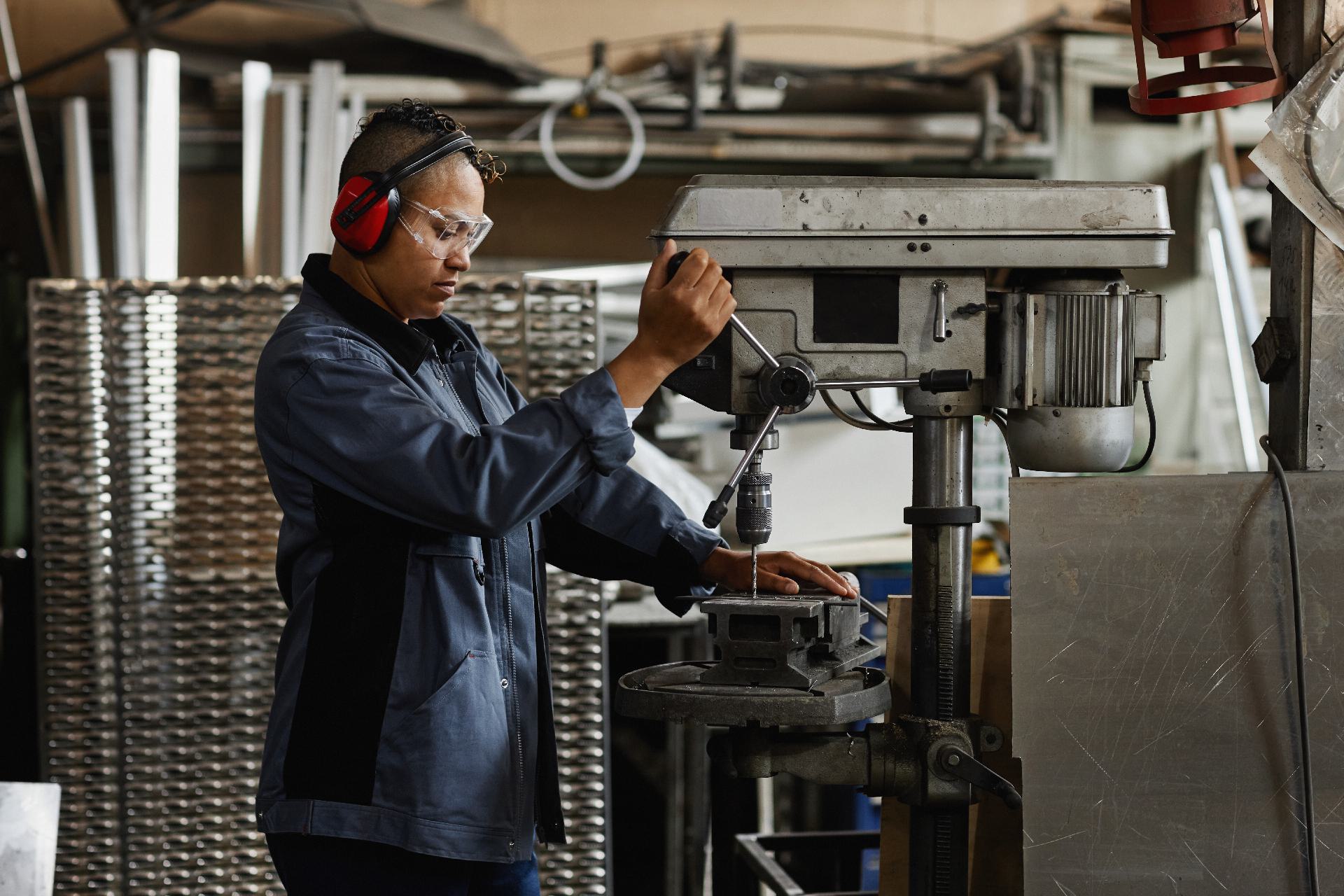
Worker safety carries real legal weight on a manufacturing floor, and we build with that in mind. Work health and safety sits under the Model Work Health and Safety laws administered by Safe Work Australia and the state regulators, and the duties they impose belong to your duty holders. We treat safety analysis as a way to give those people earlier, better-evidenced warnings, surfacing patterns in incident, inspection and near-miss data that precede injuries. It’s never a substitute for their judgement or their statutory responsibilities.
Product and industry standards carry their own demands. Where you make goods to a standard or sell into a market that requires traceability, accurate quality records are part of the job, not paperwork after the fact. Our documented, versioned approach makes those records easier to keep correctly, so the evidence is there when you need it. Pay and conditions on the floor sit under the relevant award, such as the Manufacturing and Associated Industries Award, and any worker records in your systems are handled in line with the Privacy Act 1988. We keep your operational data where you need it to sit.
What changes on your floor
The outcome we aim for is less downtime, cleaner scheduling, fewer errors, and tighter margins on every job. Equipment is serviced before it fails rather than after a line goes down mid-shift. Quotes and schedules rest on real capacity, so fewer jobs slip and fewer promises are broken. Defects are caught and traced to their source rather than guessed at, so waste and rework fall. Supervisors plan from current floor numbers instead of yesterday’s report. And the office work that piles up around production gets lighter, because the admin around order entry, supplier follow-ups and reporting is automated rather than re-keyed by hand.
None of this removes the judgement of experienced floor staff. It gives that judgement earlier and clearer information to work with, so the people who know the shop best are deciding from facts, not hunches.
Start with the job that costs you most
Agents and tools earn their keep differently from one shop to the next, so we don’t start with the technology. We start with the single problem that costs you the most, whether that’s a machine that keeps stopping, scheduling that overpromises, or quality records that can’t be trusted. We tell you straight whether your data can support earlier warning, and what a focused first build would take, in AUD. If a simpler automation would do the job, we’ll say so and build that instead.