
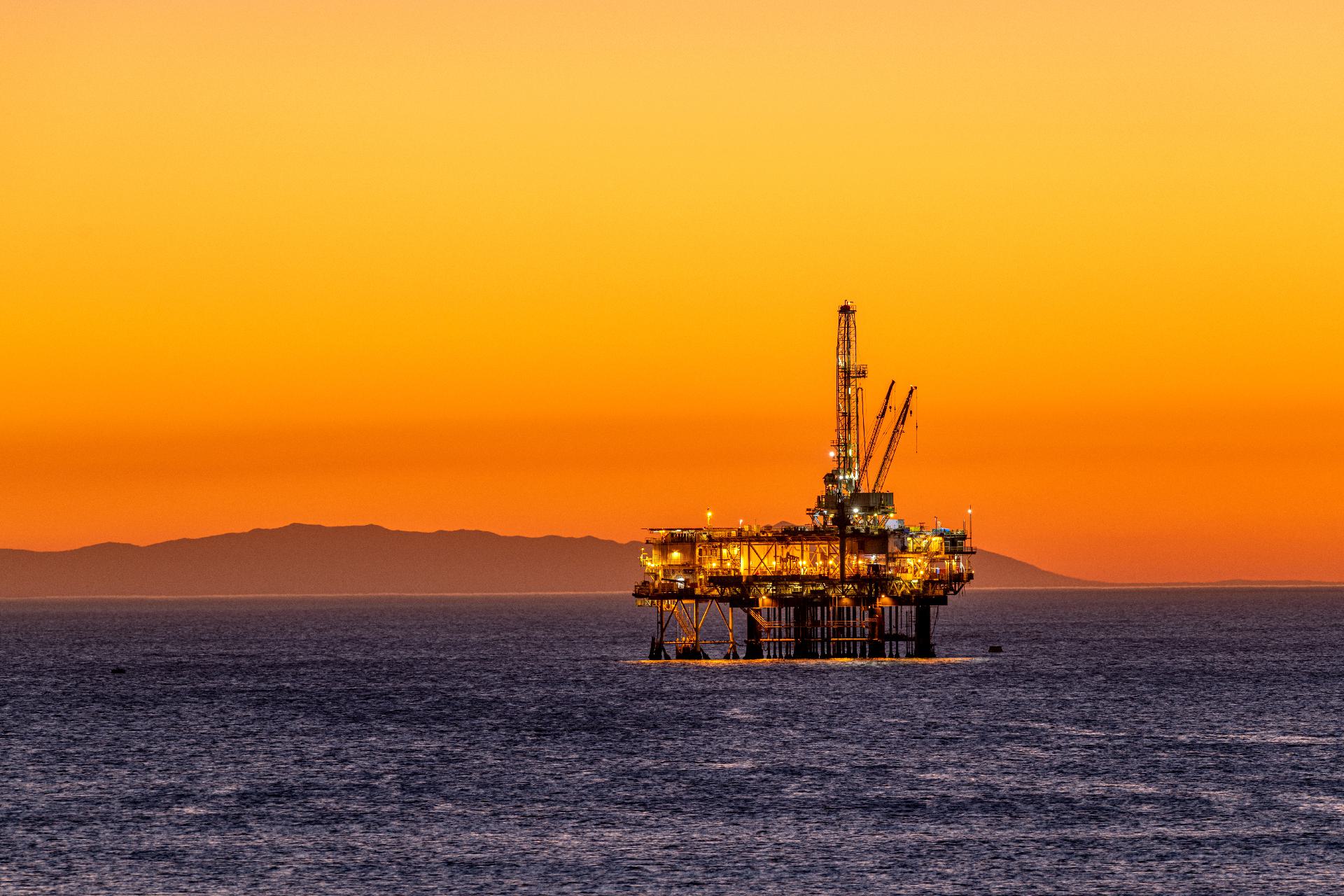
Oilfield Predictive Analytics and Evidence-Led Calls for Resources Operators
Oilfield Predictive Analytics and Evidence-Led Calls for Resources Operators.
Vendors will tell you that a few more sensors and a sharper dashboard sort your decisions out. On their own, they won't. Most resources operators are already swimming in fleet telemetry, plant historian feeds and grade assays, yet the call about where tonnes are being lost still gets made on a shift handover and a hunch. The fix is not more data. It is data the pit, the plant and head office all trust, with the definitions agreed once and the variance visible early. We build that reconciled foundation across your existing site systems, so production, maintenance and safety calls rest on figures nobody can wave away at the monthly review.
Book a discovery callWhere reconciled evidence pays off on a resources site
Plan-versus-actual production reconciliation
We reconcile planned, mined and processed tonnes and grade across the systems that track each, so the gap between the mine plan and what hit the stockpile is understood early instead of disputed at month end.
Oilfield predictive analytics on equipment telemetry
We turn pump, compressor and haul-fleet sensor feeds into early-failure signals, so maintenance can plan an intervention around a production window rather than scrambling after an unplanned breakdown.
Field data capture off paper
We move pre-starts, inspections and shift logs off paper and out of one person's ute into a structured record, so field observations reach a decision while they still matter.
Energy, fuel and reagent consumption
We give a clear view of where fuel, power and reagents are actually consumed across the operation, so cost and emissions calls rest on measured draw rather than a site-wide average.
Where you are right now
You are deciding where output is being lost, and the data that could answer it is everywhere except in front of you when the call has to be made. Fleet telemetry sits in the dispatch system. Plant performance lives in the historian. Grade comes off the assay lab. Pre-starts and inspections are on paper, or in a notebook in someone’s ute. Each system was bought to run a job, not to agree with the others. So the throughput call gets made on a shift handover and the loudest voice in the room, the maintenance call gets made after the breakdown, and the monthly review turns into an argument about why planned tonnes and processed tonnes never match.
That gap costs real money. Chasing the wrong constraint moves nobody closer to nameplate. Reacting to an unplanned failure stops production at the worst possible moment. And a variance found four weeks late is a variance you can no longer act on.
Why another sensor or dashboard won’t fix it
The reflex is to buy more instrumentation and a tidier dashboard and assume better decisions follow. They rarely do. A dashboard inherits whatever disagreement already exists between your systems. If mined tonnes, processed tonnes and grade are tracked with different timing and different definitions, a slicker chart just renders the conflict in higher resolution. More sensors add more feeds to reconcile, not more clarity.
The thing that actually moves a decision is trust. The pit, the plant and head office have to believe the same number, which means the definitions sit underneath the dashboard, agreed once and applied everywhere. Tooling alone never gets you there. This is why we treat a results focus as a principle rather than a nice-to-have. AI and analytics with no fixed outcome in mind just make you fast in the wrong direction, and on a resources site that direction is expensive.
How we deliver it for resources operators
We start with one high-cost variance, not a platform. Usually that is plan-versus-actual reconciliation or fleet utilisation, whichever is costing you most and is hardest to pin down. We agree the definitions with your operations and technical services people first. How tonnes and grade reconcile across plan, mine and plant. How availability and utilisation are calculated. Built once, so every team works from the same figures.
On that base we build the views that drive the call. Reconciliation that surfaces the variance early. Oilfield predictive analytics that turns equipment telemetry into a maintenance signal you can plan around. Field data capture that gets pre-starts and inspections into a structured, searchable record. Three principles guide the build, and you can read how we apply them in our approach. First, healthy data ecosystems, because a decision is only as good as the data behind it, so we join the site systems rather than bolt a report on top. Second, documented and versioned records, because we version the decision logs and the agreed definitions, so a safety or maintenance trail stands up when a regulator or an investigation tests it. Third, training, security and governance handled from the start, not retrofitted, with operational data kept inside your environment.
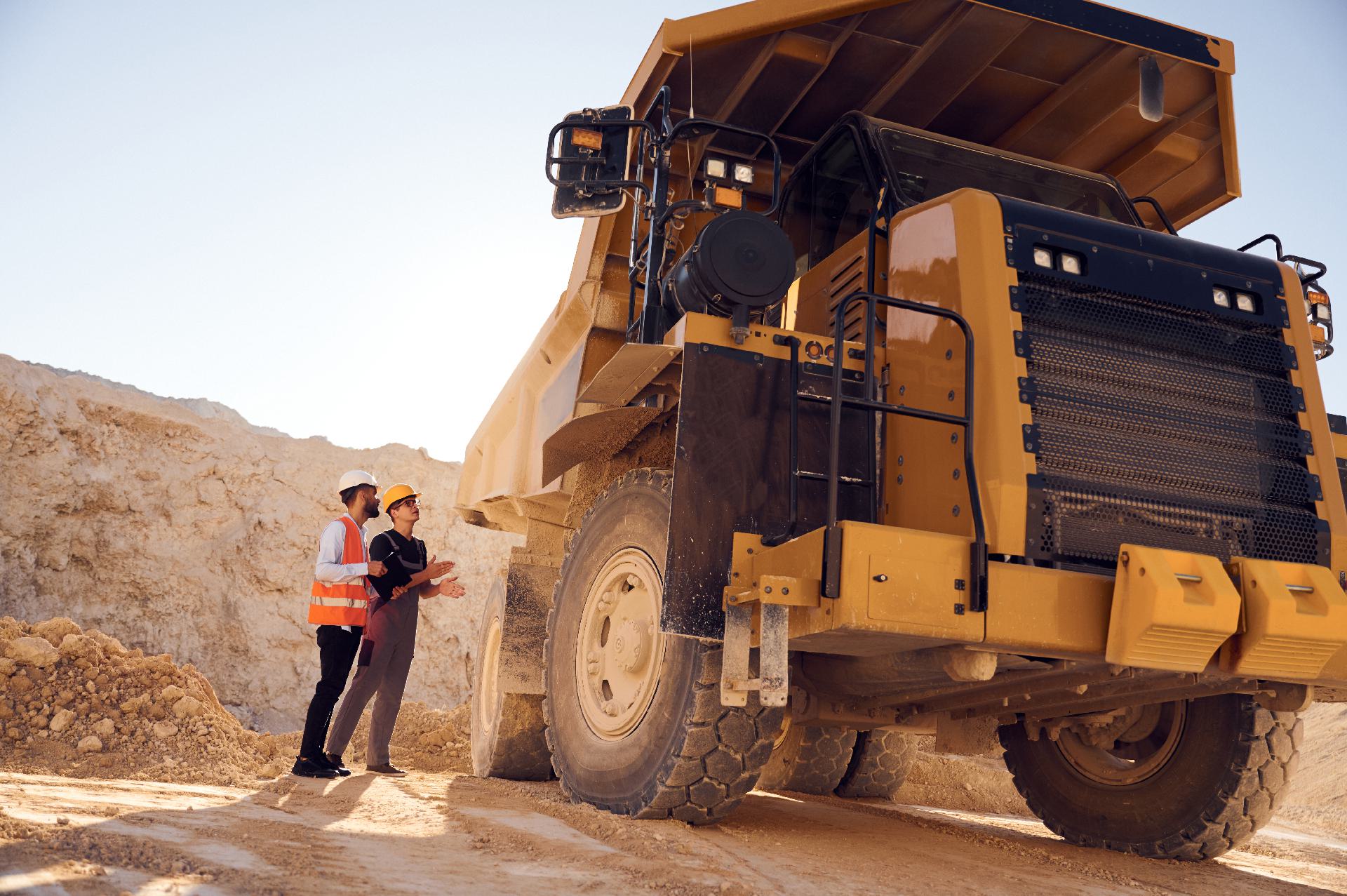
We design for the site you actually run, not an idealised one. Remote operations with patchy connectivity get processing and buffering at site and reconciliation centrally, rather than a design that assumes a link you do not have. We validate every measure against what the operation genuinely produced, document each transformation, and say plainly when instrumentation or site infrastructure needs improving before a decision can lean on the data.
When this is the right call, and when it isn’t
This work fits an operator who already generates plenty of data and is tired of arguing about what it means. If your pain is a variance you find too late, a fleet constraint nobody agrees on, or safety paperwork that lives on clipboards, this is the right starting point.
It is not the right call if you are mainly after heavy build of new reporting and analytics infrastructure from scratch. That is a different job, and our data insights and analysis work covers it. Data-driven decision making is the decision habit and the lighter tooling around it, the reconciliation and the versioned definitions that make a call defensible. It is also not the right call if you want a system to make operational or safety decisions for you. We build the evidence. Your people, and the duty of care that comes with their roles, keep the decision.
On the regulatory side, resources operations here carry serious work health and safety duties for high-risk work under state mining-safety regimes, and environmental and emissions reporting obligations under the National Greenhouse and Energy Reporting scheme and state approvals. We build measurement that traces to source and holds up when those obligations are tested. We do not make compliance promises on your behalf, and where a number feeds a regulated report we keep the trail auditable and the qualified person in charge.
Related
See how the foundation gets built in data insights and analysis, explore the wider mining, oil and gas work, and read the principles behind every engagement in our approach.
Read more about our Data-Driven Decision Making service and our work in Mining, Oil & Gas sector.
Representative solutions.

Frequently asked.
What is the prediction for the oil industry?
Is AI mining real, or is it hype?
What is AI in mining used for in practice?
How can AI be used in mining without touching safety control?
What is the latest technology in mining worth adopting first?
Settle the tonnes argument across pit and plant
Name the production, fleet or maintenance call your operation keeps making on disputed or late numbers. We'll show you what a reconciled, audit-ready view across your site systems looks like before you commit to anything.
Book a site data review