
AI Solutions for Manufacturing Companies in Australia
AI Solutions for Manufacturing Companies in Australia.
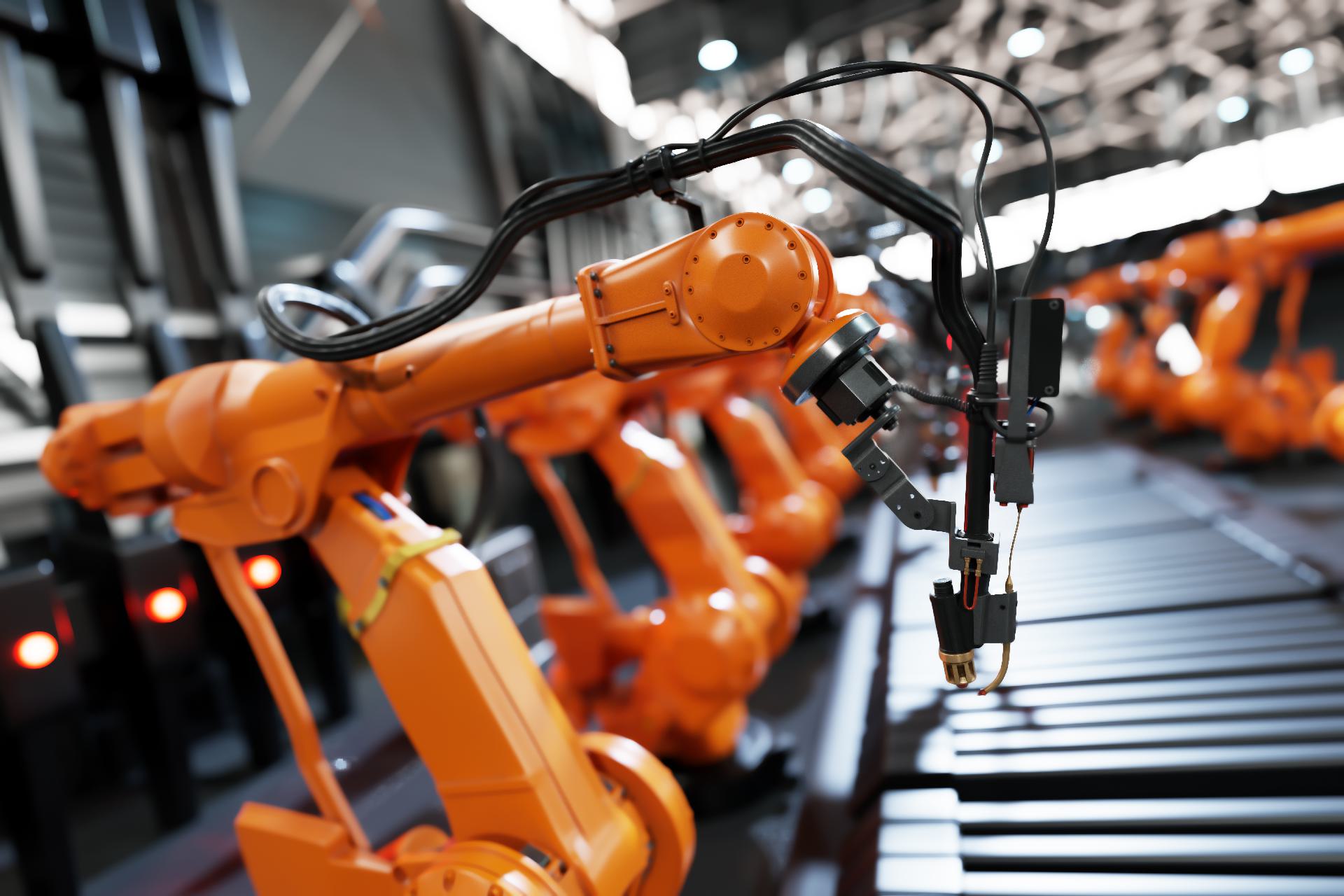
The pitch sounds like a lights-out factory run by algorithms. The reality for most Australian job shops is more useful and far less dramatic. You do not need a robot revolution. You need scheduling that stops slipping, quality records that are not on a whiteboard, and your production, cost and sales data finally in one place so a model has something honest to learn from. So that is where we start. We bring that data together, improve one line at a time, and prove the result before we touch anything else. The gain shows up where it counts, in less downtime, fewer errors, and tighter margins on every job, with your people still in control of the floor.
Book a discovery callWhere AI earns its place on the floor
Smarter scheduling and quoting
Models that read your job history, machine availability and material lead times to suggest realistic schedules and quotes, so you stop promising dates the floor cannot hit and stop guessing margins on every job.
Predictive maintenance on critical assets
Models that read machine and sensor data to flag the equipment heading for failure, so a fitter is scheduled before the line stops rather than after, with your engineers deciding when to act.
Quality and defect detection
Vision and sensor models that catch defects earlier in the run, cutting scrap and rework, while an operator confirms the borderline cases instead of the model rejecting product on its own.
Yield and waste analysis
Models that find which process settings drive yield and waste across your production and cost data, giving engineers evidence for a change rather than a hunch and a trial run.
You know where the time goes, you just cannot see it
Walk most Australian job shops and the pattern is the same. The schedule lives on a whiteboard and gets rubbed out twice a day. Quotes are built from memory and a spreadsheet, so margins swing job to job and nobody is sure which work actually pays. Quality is tracked on paper that sits in a folder until an auditor asks for it. And the machines, the ERP and the quality records all hold useful information that never meets in one place.
So you already feel the cost. A machine stops without warning and the day is gone. A run produces scrap nobody catches until the customer does. A delivery date slips because the schedule never reflected what the floor could really do. The information to avoid all of that exists in your business. It is just scattered, and most of it is never looked at again.
Why buying an “AI factory” platform alone under-delivers
The marketing points at a fully automated plant. The honest version is narrower and more reliable. A model is only ever as good as the data behind it, and on a shop floor that data is noisy, changes with the product mix and the season, and is often kept in three systems that do not talk to each other. Switch on a platform over that mess and you get confident outputs built on a shaky foundation, which is worse than no model at all because people will trust it for a while.
This is why we lead with foundations, not features. Healthy data ecosystems come first. We bring your production, quality and cost data together so a model learns from one honest picture instead of three partial ones. You can read more about how we work in our approach.
How we deliver it for a manufacturing floor
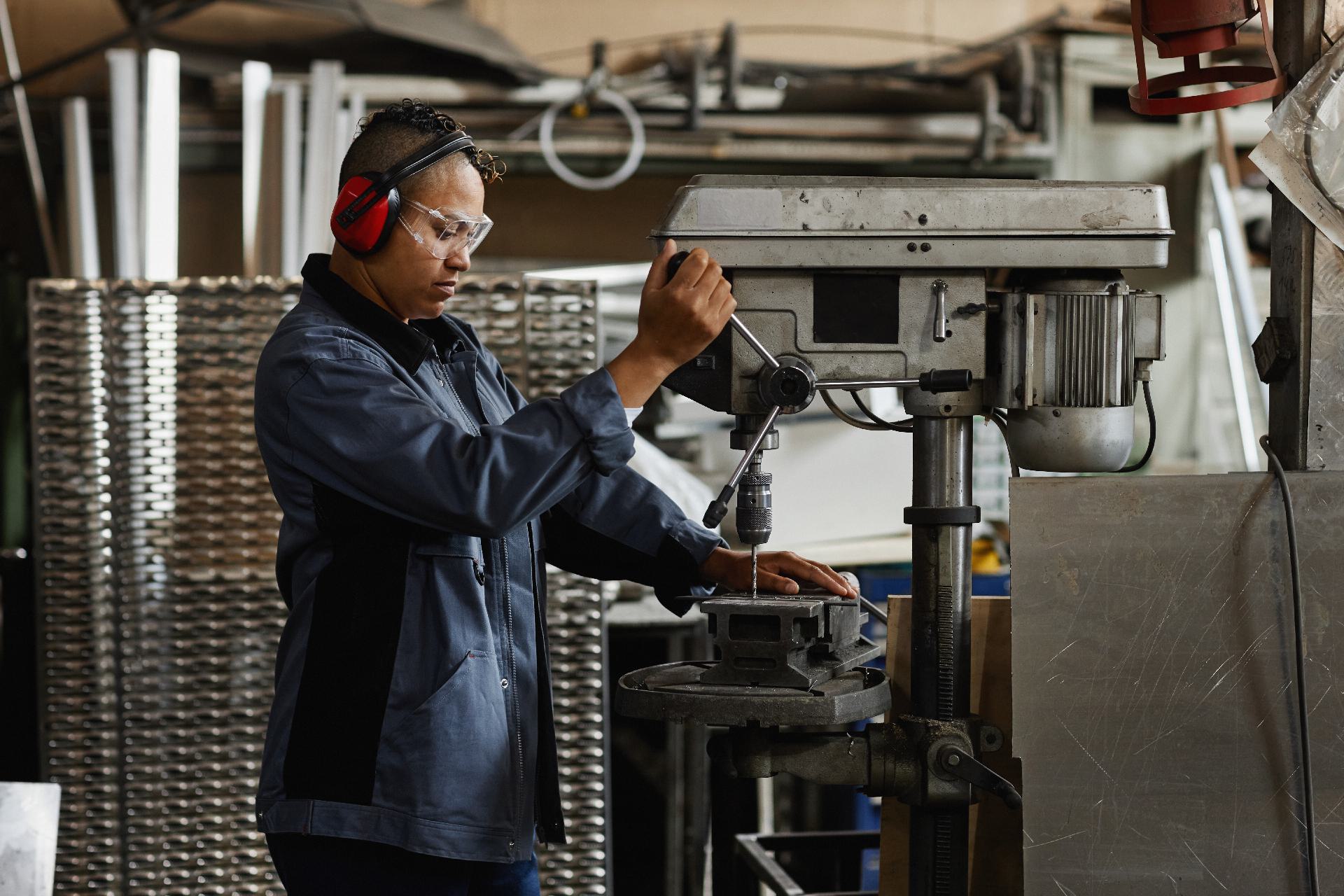
We work in small batches, because the floor cannot afford a big-bang switch-on and neither can your confidence. We improve one line or one process at a time, prove it against real history, then expand. That keeps risk low and lets you see a result before committing further.
A typical first step is predictive maintenance on a critical asset or defect detection on a single line, where the data already exists and we can measure the model against your real past failures or inspection records before it touches production. We validate first, then go live, then monitor for drift, because a model tuned to one product mix or one season quietly stops fitting another and we want that degradation visible, not silent.
Throughout, we keep documented, versioned processes and quality records. Every process change and quality result is traceable, which gives you repeatable output and audit-ready evidence when a customer or a standards body asks. The model stays advisory wherever a decision touches machine control or worker safety. Your operators and engineers keep the floor. That is not just good practice, it sits squarely within your Work Health and Safety obligations administered through Safe Work Australia and the state regulators.
When this is the right call, and when it is not
This pays off when you have real volume on a line, data that already exists in some form, and a problem you can measure, such as downtime hours, scrap rate or quote accuracy. It is the right call when you want to start small and prove value rather than buy a vision.
It is not the right call when the data simply is not there yet. If quality is on paper and machines log nothing, the first job is capturing data, not building a model on top of nothing. We will tell you that up front rather than sell you a model that fails quietly on the line. AI also will not fix a genuine shortage of skilled trades, and we will not pretend it does.
Related services and industries
This page is the strategy view. The build work lives in the specific services. See AI Agents for handling the office work around the floor, Automation for moving data between your systems, and Data Insights for getting your production and cost data into one place. For other sectors we work in, see Industries.
Read more about our Artificial Intelligence service and our work in Manufacturing sector.
Representative solutions.

Frequently asked.
Which AI is best for the manufacturing industry?
Which company uses AI in manufacturing?
What are some generative AI manufacturing use cases?
Can AI help with the manufacturing labour shortage?
How does AI connect to our existing machines and systems?
Where should a manufacturer start with AI?
Pick the one line worth proving first
Tell us where downtime, scrap or scheduling hurts most on your floor. We will tell you straight whether your data can support a model worth building, and where to start.
Book a discovery call