
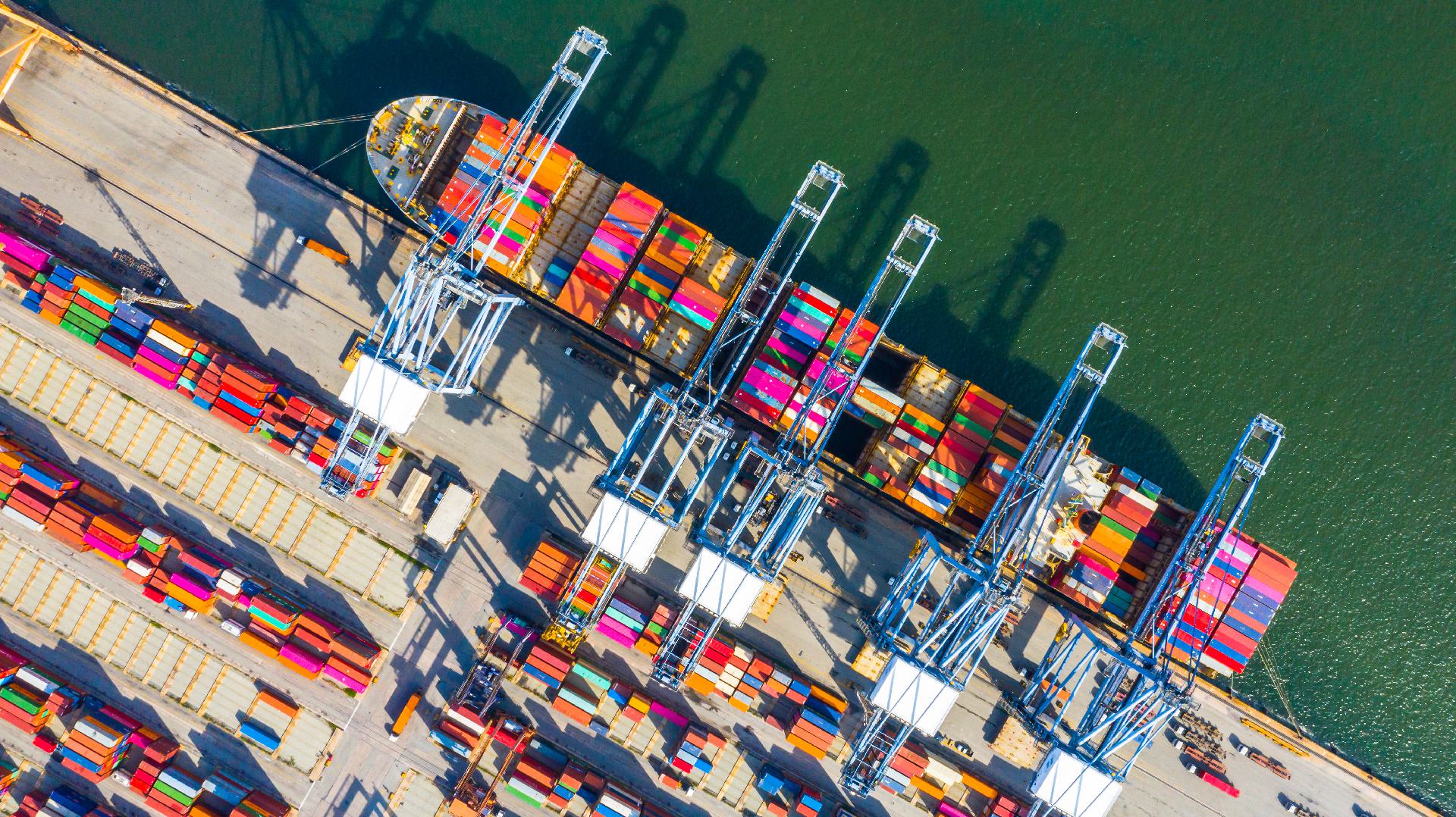
Warehouse efficiency automation for transport and logistics operators
Warehouse efficiency automation for transport and logistics operators.
Your dispatch team is keying the same job into three systems, your admin is ringing drivers for last week's missing proof of delivery, and invoices go out late because nobody can match what was booked against what actually moved. That is the mess most Australian transport operators live in, and adding people only scales the rekeying. We automate the repetitive admin one workflow at a time, connect your job, vehicle and tracking data so it is entered once, and keep the records that Chain of Responsibility duties demand accurate rather than scrambled together later. The result is hours back each week, tighter billing, better vehicle and route use, and compliance evidence you can produce on demand.
Book a discovery callFreight workflows worth automating first
Routing and scheduling support
Pulling job, vehicle and telematics data together so dispatch builds better runs faster, with fewer empty kilometres and less manual juggling of loads against available trucks and drivers.
Proof of delivery and exception capture
Matching pods to the right job at delivery and filing them automatically, so a customer query is answered with evidence in hand instead of admin chasing a driver days later.
Freight billing reconciliation
Comparing what was booked, moved and delivered against your rates and invoices so billing goes out sooner and unbilled jobs, mis-rated lanes and missed accessorials stop leaking margin.
Compliance and maintenance records
Capturing driver hours, pre-start checks, mass declarations and servicing into structured records, so fatigue and Chain of Responsibility evidence is current and traceable, not reconstructed under audit pressure.
Where transport operators get stuck
The trucks are the easy part. The paperwork around them is what quietly eats the margin. A single job carries a booking, a consignment note, a route, a proof of delivery, a rate, an invoice and a trail of compliance records, and most operators still move that information by hand between a transport management system, telematics, a billing package and a customer’s portal. Dispatch builds runs from memory and spreadsheets. Admin chases drivers for pods that should already be on file. Invoices lag the work, and somewhere in the gap between booked and delivered, freight goes out unbilled.
It scales only one way, which is by adding people to do more of the same rekeying. That is the wall established operators hit, and it is the work automation is built to take off the floor.
Why a logistics tool on its own falls short
There is no shortage of supply chain technology promising to fix this. The trouble is that a tool dropped onto a broken process usually just automates the mess faster. A routing module that pulls from stale job data plans bad runs. A billing add-on that cannot see what actually moved still misses the leakage. And an automation that runs unwatched in a transport business is dangerous, because a silently dropped pod or a lapsed fatigue record is not a cosmetic bug, it is a dispute you lose or a compliance failure you cannot defend.
So we fix the process before we automate it, and we keep a person overseeing what runs. The duties under Chain of Responsibility for fatigue, mass and maintenance stay with your people. Automation makes sure the evidence exists and that nothing critical lapses unnoticed.
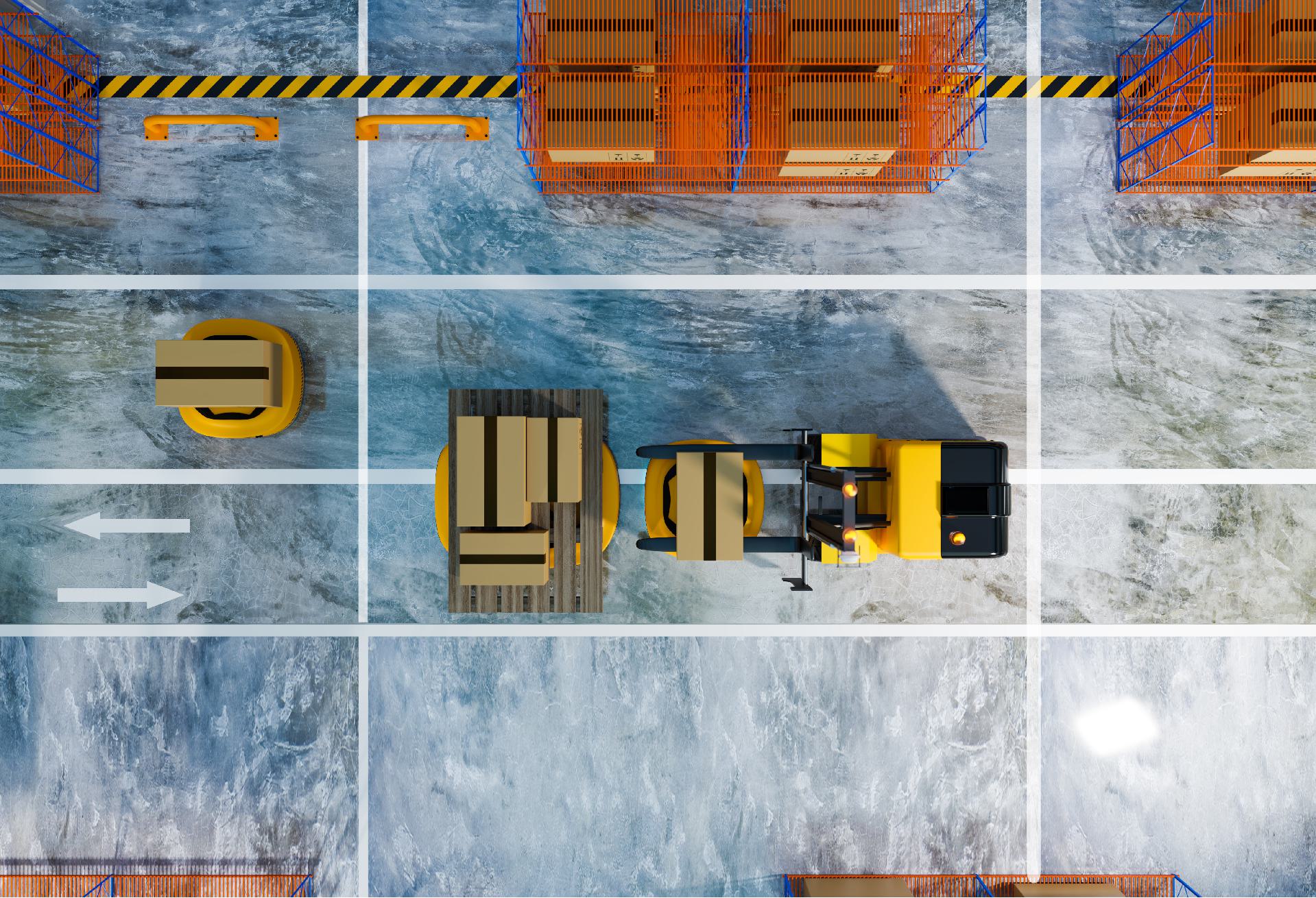
How we deliver it for freight
We work the way the seed angle describes, in specifics for this trade.
Healthy data ecosystems first (#4). Better routing, faster billing and clean compliance records all depend on one thing, which is job, vehicle and tracking data pulled together rather than trapped in four systems. We connect your TMS, telematics and billing through their existing interfaces so the same load is keyed once, and where a system has no integration we automate at the document and workflow level instead of asking you to re-platform.
Small batches, proven on real loads (#7). We improve one route or one process at a time. We take a workflow such as proof of delivery, prove it against your current process on actual jobs, measure the time saved and the leakage recovered, then expand. You see the payoff before it changes how dispatch or admin work.
Documented, versioned records (#6). Compliance and delivery records are structured around the obligations you actually carry, kept traceable and easy to produce. That matters when the National Heavy Vehicle Regulator asks, or when a customer disputes a delivery, because reconstructing evidence after the fact is exactly what goes wrong under pressure. You can read more about how we work in our approach.
When it is, and is not, the right call
Automation is the right call when the work is repetitive, high volume and the data behind it is reasonably clean, which describes pods, billing reconciliation and record-keeping for most operators. It is the wrong call when the underlying process is broken or the data is a mess, because automating that just spreads the problem. It is also wrong where the work is genuinely a judgement call, such as how to handle an awkward exception or a compliance decision, and that work stays with your people. If a simpler fix would serve you better than automation, we will say so.
Related services and industries
This page applies our Automation & Efficiency work to Transportation & Logistics. Fixing the process before automating it pairs naturally with Process Optimisation, and where the work needs to read and act on documents or job data, AI Agents and Data & Analytics carry it further.
Read more about our Automation & Efficiency service and our work in Transportation & Logistics sector.
Representative solutions.



Frequently asked.
How can AI be used in logistics?
Is AI taking over the supply chain?
What are the 5 ways AI is becoming essential to supply chain?
What is the best app for public transport in Sydney?
What are the 7 C's of logistics?
How is AI impacting logistics?
Pick one freight workflow to automate
Tell us where paperwork costs you most, whether that is routing, pods, billing or compliance. We will say plainly whether automation fits and which job to prove first.
Book a discovery call