A business decided by distance and margin
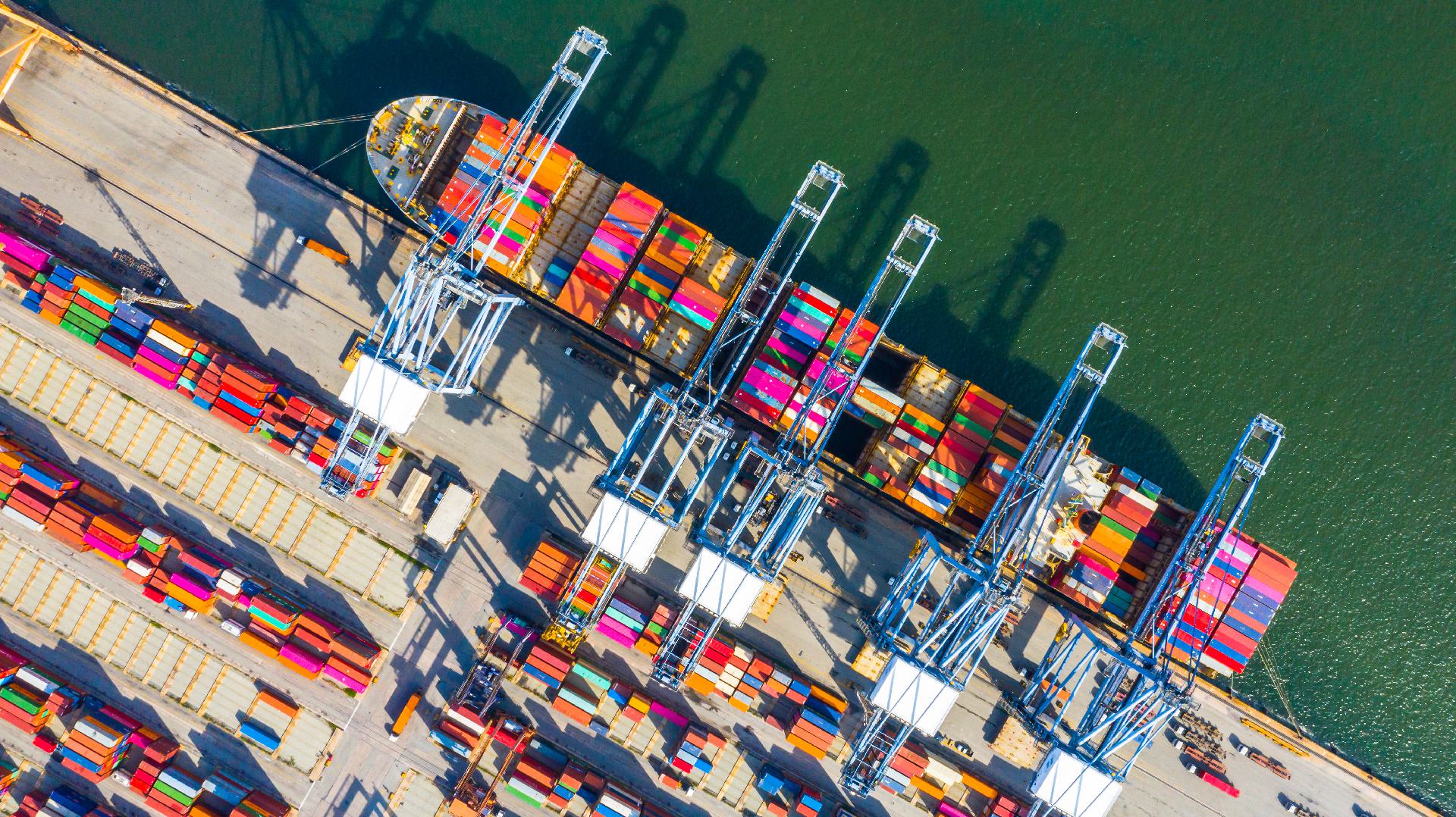
Australian freight covers some of the longest distances of any developed economy, on margins that punish every wasted kilometre. For an SMB operator running ten trucks to a couple of hundred, the numbers are tight. A truck running half-full carries the same wages and registration as a full one. An empty return run is paid-for capacity thrown away, and a vehicle stuck with a fault earns nothing while still costing money.
Sitting over all of it is the heavy vehicle safety regime. Under the Heavy Vehicle National Law, the duty to keep drivers within their hours does not stop at the driver. It runs across the chain of responsibility, including the people who schedule and load the work. Get the planning wrong and you have not just lost margin, you have a compliance exposure.
This is the gap new supply chain management technology is meant to close. Done well, it plans the runs better, pulls your data together so dispatch can see what is happening, and turns the safety and delivery records into a by-product of the work. The work is practical. Move more freight per kilometre, and make the paperwork keep up.
Where operators get stuck
Most SMB transport businesses we meet are stuck in three places at once.
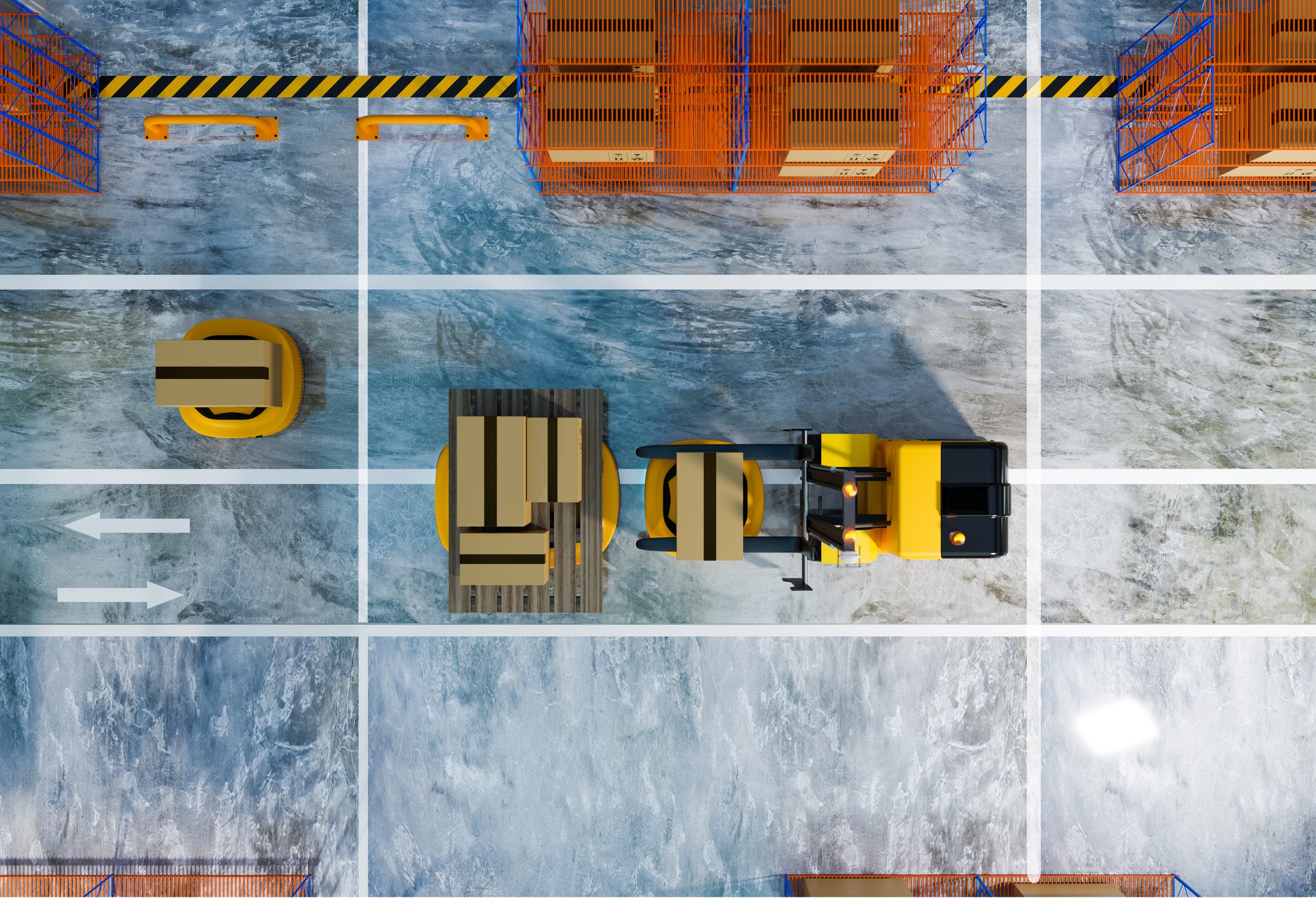
The first is planning. Routes, loads and driver shifts worked out by experience and a spreadsheet leave trucks running half-full or covering more kilometres than the job needs. A good planner cannot test a hundred versions of tomorrow’s schedule before the trucks leave the yard, so when a customer adds a late pickup or a driver calls in sick, the version that ships is the one that fits, not the one that is cheapest.
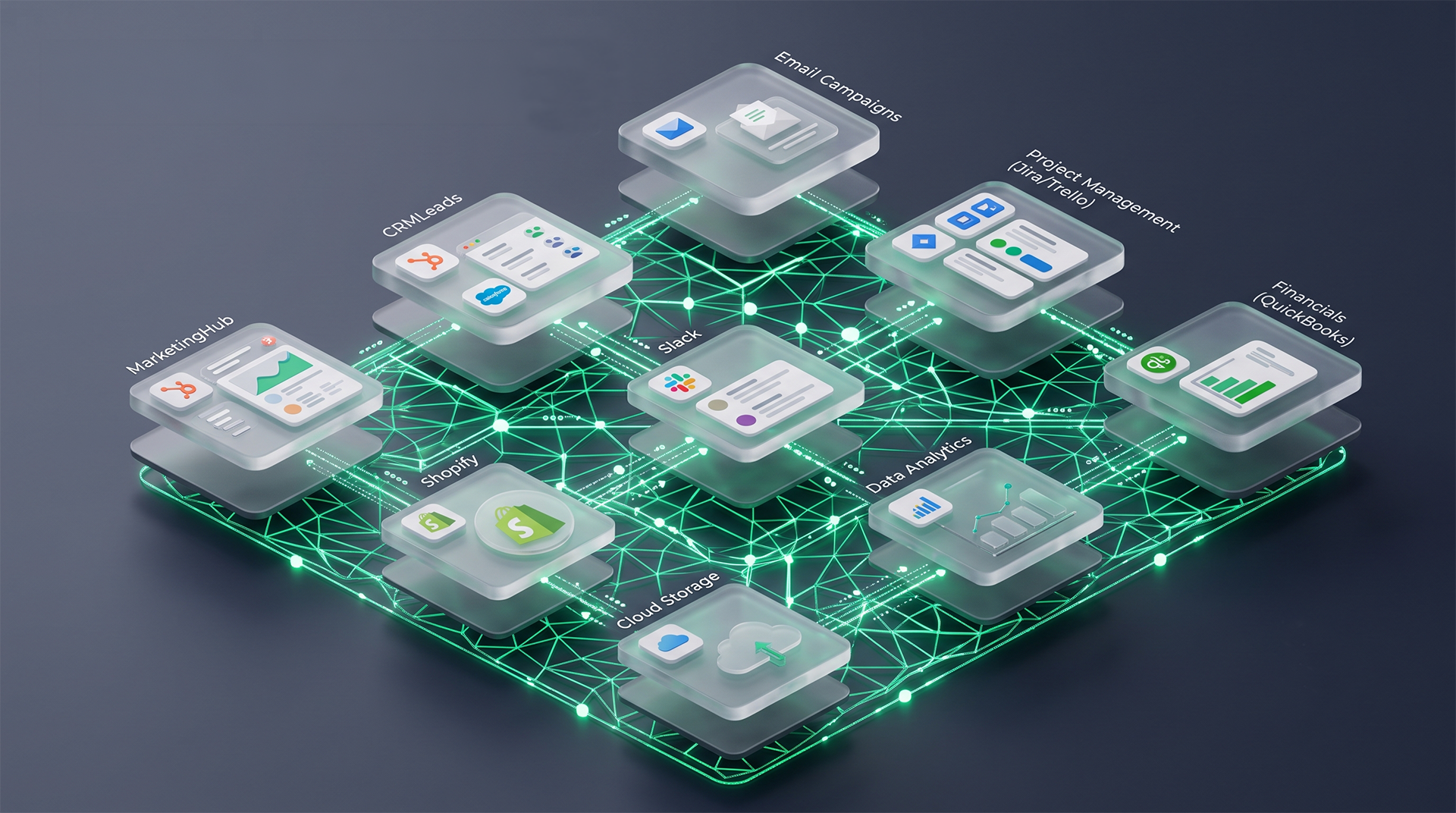
The second is disconnected systems. Jobs live in one place, tracking in another, and accounts in a third. When the systems do not talk, your team becomes the integration, re-keying consignment details, ringing drivers for an update, and copying proof of delivery into the invoice run by hand. The information exists, but it is scattered, so nobody has the full picture in time to act.
The third is compliance paperwork. Chain-of-responsibility records, driving hours and fatigue evidence are too often reconstructed after the fact instead of captured as the work happens. That is slow, error-prone, and exactly the gap that looks bad if a regulator asks.
Why buying a tool alone falls short
The instinct is to buy a routing app or a fleet product, switch it on, and hope. A fortnight later it is either fighting the systems you already run or sitting unused because the data feeding it is patchy. A tool is a starting point, not an outcome. What separates technology that earns its keep from shelfware is the foundations underneath, and those do not come in the box.
We surface three of our principles here, in the specifics of freight, and you can read the full set in our approach.
Healthy data ecosystems. Route planning and live visibility are only as good as the data behind them. So before we optimise anything, we pull your job, vehicle and tracking data into one place where it is clean, current and consistent. A delay logged once should update the schedule, the customer view and the records that depend on it, without anyone re-keying it. This is principle four, the difference between a dispatcher who sees the whole fleet and one still ringing around.
Working in small batches. We do not rebuild your whole operation at once. We improve one route, depot or process at a time, measure it against your own historical runs, and only widen it when the gain is real. This is principle seven, and for you it means low risk and an early result you can see in kilometres and fuel.
Documented, versioned process. The same systems that plan and track the work also record it. We capture driving hours, load and scheduling decisions and proof of delivery as the work happens, and keep the rules behind those records under version control. This is principle six, and it makes your chain-of-responsibility evidence defensible and easy to produce.
Built for Australian heavy vehicle rules
Heavy vehicle operations sit under the Heavy Vehicle National Law, administered by the National Heavy Vehicle Regulator across most states and territories, while Western Australia and the Northern Territory run their own regimes. The law sets chain-of-responsibility duties and fatigue-management rules, and the obligation is to take reasonable steps and show them.
We build that duty in from the start. Route and schedule optimisation respects driving-hour and fatigue limits as hard constraints, so an efficient plan is also a compliant one, and scheduling and load decisions are recorded as they are made. The system produces the due-diligence trail you would want in front of a regulator, covering subcontracted runs as well as the trucks you own. Where your work handles customer or location data, we keep it under the Privacy Act and inside systems you control. Consistent records of hours and fatigue also support your WHS safety case.
What good looks like
The outcomes worth chasing decide whether a contract makes money. We set the metric, baseline and target before we build, then prove each against your past runs.
Fuller trucks and fewer empty kilometres per drop. Lower fuel per delivery. Faster turnaround, so a vehicle does more loads in a shift. A completed run that becomes a sent invoice in hours instead of days. Fewer mid-run breakdowns. And a compliance record that holds up.
Take the cash side, because the saving is easy to feel. In many SMB operations the journey from delivered load to paid invoice runs through too many hands. A driver hands over a paper consignment note, someone scans it later, a clerk matches it against the job, and only then does the invoice go out. When proof of delivery is captured at the kerb and matched automatically, the invoice follows the same day, and getting paid sooner across hundreds of loads is real working capital back in the account.
The data side compounds the gain. Once jobs, tracking and accounts share one current picture, a customer asking where their freight is gets an answer in seconds, and a delay on one leg re-flows through the schedule. Across a week that is hours of admin returned to running the fleet. Each of these is an AI use case in logistics with a number attached, so “it is working” is something you see on a report, not a feeling.
Where our services apply
The capabilities above connect to the telematics, transport management and accounting systems you already run, so the tools fit your operation rather than replacing what you have invested in. Start with the pain that costs you most, whether empty kilometres, slow invoicing or compliance paperwork, and we will tell you straight whether AI is the right fit or whether a simpler automation would serve better.