
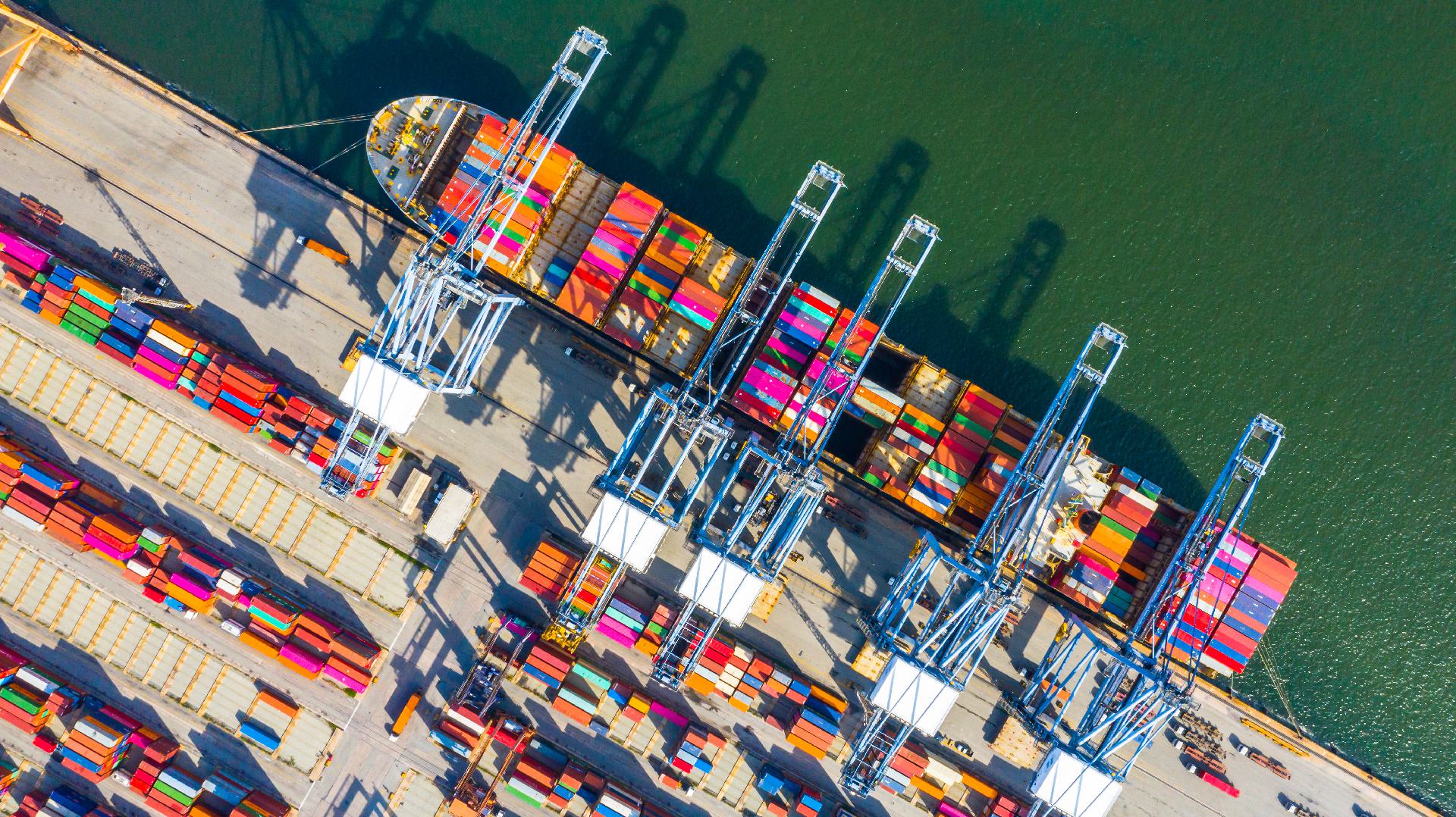
New supply chain management technology for AU freight operators
New supply chain management technology for AU freight operators.
Where your fleet, dispatch and delivery data already exists yet routing, pricing and fleet-size decisions still come down to depot opinion and partial reports, this fits. It fits where nobody can say what a lane truly costs to serve. It does not fit if your jobs and tracking aren't captured digitally yet, or if you need a heavy analytics rebuild rather than a decision habit. For freight operators sitting on plenty of data but short on trusted numbers, we build one governed view of cost-to-serve and utilisation, so the calls that move margin rest on figures every depot and head office accepts.
Book a discovery callDecisions we help freight operators get right
True cost-to-serve by lane and customer
We count fuel, driver hours, empty running and demurrage into one figure per lane and customer, so contract renewals and pricing back the freight that actually earns and stop subsidising the loads that quietly lose money.
Fleet utilisation against real demand
We measure vehicle and trailer utilisation against the loads actually moving, so decisions on fleet size, subcontracting and where to base assets target the genuine slack, not the depot that shouts loudest at planning.
On-time and dwell across the network
We measure on-time delivery and yard dwell the same way at every site, so operations can fix the legs and customers where service slips on evidence rather than the last angry phone call.
Compliance-aware efficiency calls
We design routing and utilisation analysis that respects driving-hours, fatigue and chain-of-responsibility limits, so an efficiency gain on paper is one you can lawfully run on the road.
Where freight planners actually get stuck
You run a thin-margin operation where a few empty kilometres on every run add up fast. The data exists. Telematics streams from the trucks, jobs sit in the transport management system, movements are logged in the warehouse, and drivers capture proof of delivery on a handset. The trouble is that none of those systems were built to agree with each other. So when the call has to be made, keep this customer or reprice it, grow the fleet or subcontract the peak, the data isn’t at hand and the numbers conflict. The decision falls to the loudest depot manager and a gut read of the run sheet.
The cost of that gap is quiet and constant. Good lanes subsidise loads that lose money because nobody knows which is which. The fleet gets sized to the depot that complains hardest rather than to real demand. And service problems get chased by anecdote, fixed at the site that called in rather than the leg that is genuinely slipping.
Why a new supply chain tool on its own under-delivers
Buying another telematics dashboard or a supply chain platform feels like progress, and operators often do it twice before calling us. The tool arrives, it produces its own utilisation and on-time figures, and within a month those figures are being argued with rather than acted on. The reason is simple. A tool measures whatever it can see, and it can only see its own slice. The dashboard never knew about the empty running booked in dispatch or the demurrage sitting in accounts, so its cost-to-serve was never the real one.
Two things have to be true before any of this pays off, and neither comes in the box. First, the data has to be pulled together and trusted. A governed view across job, vehicle and tracking data is principle #4, healthy data ecosystems, in practice, and it is what stops head office and the depots quoting different numbers for the same week. Second, the way you measure has to be agreed and recorded. We pin down what utilisation means, what counts as on-time, how empty running and dwell are tallied, and we version those definitions so a figure means the same thing everywhere and you can see why it changed. That is principle #6, documented decisions. You can read how we hold to both in our approach.
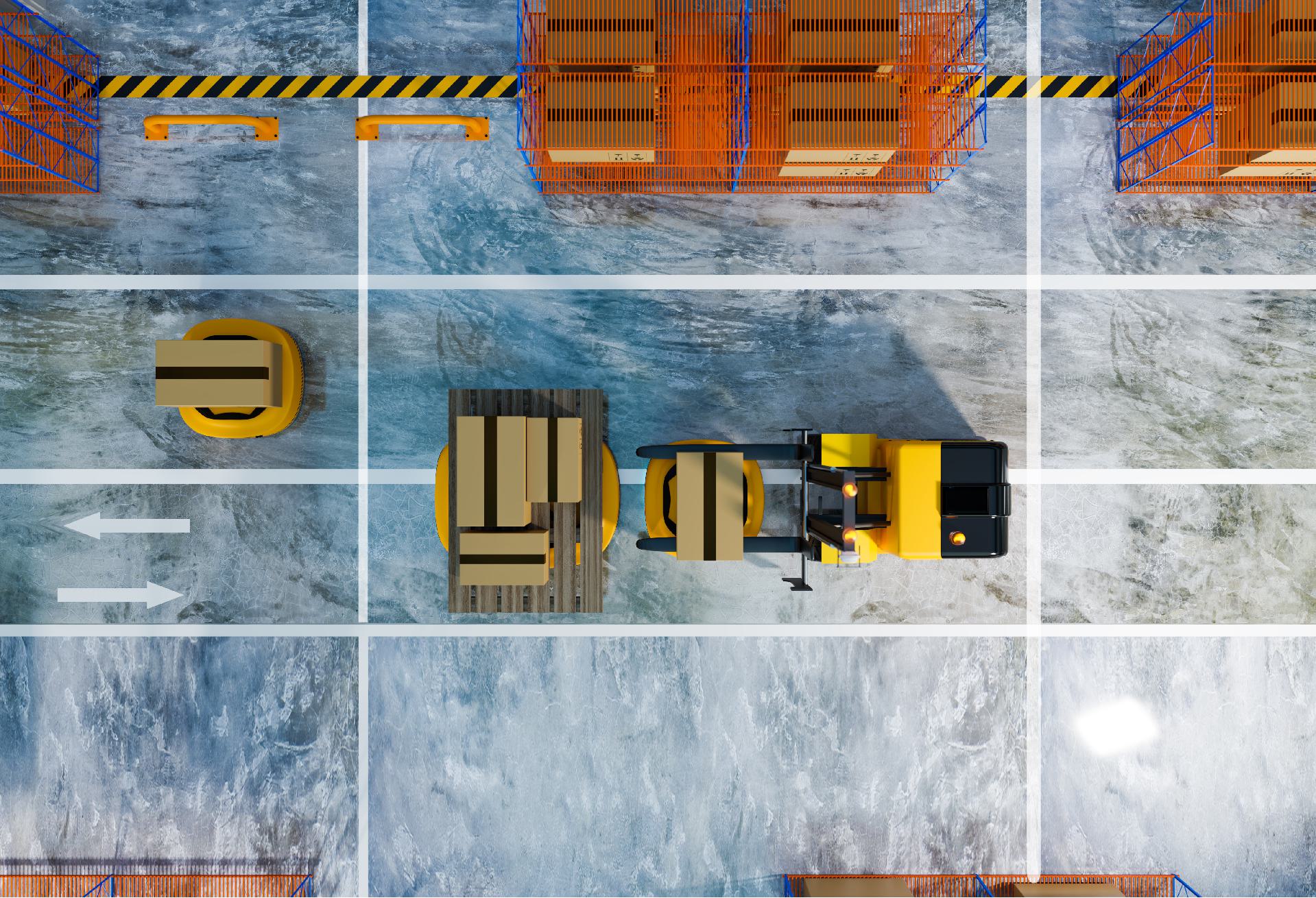
How we deliver it for transport and logistics
We work in small batches, one decision at a time, which is principle #7. We start with a single high-value blind spot, usually cost-to-serve or fleet utilisation, and make its measurement trustworthy across the systems that feed it, from the telematics box to the management report. We connect through the existing interfaces of your telematics, transport management and warehouse systems, so we are making the data your operation already generates usable for decisions, not replacing the systems running the fleet. Every transformation is documented and traces back to source, so when a planner challenges a number you can show exactly how it was built.
We validate against what the operation actually runs before anyone leans on the figures, and we design the analysis inside your safety and compliance limits rather than recommending utilisation that would breach them. Once that first view holds up and the depots stop arguing with it, we extend the same discipline lane by lane across the network.
When this is the right call, and when it isn’t
This is the right call when the data is there but the trusted number isn’t, and the missing number is costing you real money on pricing, routing or fleet size. It is the right call when depots and head office can’t agree on the same week’s performance. It is not the right call if your jobs, tracking or proof of delivery still live on paper, because there is nothing reliable to pull together yet. And if what you actually need is a full analytics and reporting build rather than the decision habit and the lighter tooling around it, that is our data insights and analysis work instead, and we will point you there honestly.
A note on Australian heavy-vehicle obligations
Efficiency decisions here sit under heavy-vehicle law administered by the National Heavy Vehicle Regulator, where fatigue management, driving-hours and chain-of-responsibility duties set hard limits on what utilisation is lawfully achievable. We design measurement that respects those limits rather than recommending gains that would breach them, and we keep your operational and commercial data inside your own environment. We are candid when a decision needs better data before it can be trusted.
Related work
See how we approach the wider sector on the transportation and logistics page, how the analytics foundation is built in data insights and analysis, and how AI agents take freight admin and proof-of-delivery paperwork off your planners.
Read more about our Data-Driven Decision Making service and our work in Transportation & Logistics sector.
Representative solutions.


Frequently asked.
How can AI be used in logistics?
Is AI taking over the supply chain?
What are the 5 ways AI is becoming essential to supply chain?
What are the 7 C's of logistics?
How is AI impacting logistics?
Where should a freight operator start?
See what a lane really costs you
Tell us the routing, pricing or fleet-size call your operation keeps making on half the picture. We'll show you what a trusted cost-to-serve and utilisation view changes.
Book a discovery call