

Oilfield Predictive Analytics for Australian Mining, Oil & Gas
Oilfield Predictive Analytics for Australian Mining, Oil & Gas.
Right now the picture is split across a fleet management portal, a plant historian, a stack of paper safety dockets and one supervisor's memory. Reports land late, the tonnes figure hides where the day was lost, and an early predictive trial gave junk answers because the feeds underneath were a mess. We start by getting equipment and field data clean, unified and reconciled, then run analysis your site team can actually use. We work from the decision you need to make, not the data you happen to have. The result is fewer surprise breakdowns, utilisation losses you can name, and safety and maintenance records that hold up when someone asks to see them.
Book a discovery callWhat oilfield and mine-site analytics looks like in practice
Predictive maintenance from condition data
Reading vibration, oil-sample, fuel-burn and work-order history together to flag a haul truck or pump trending toward failure, so a planned shutdown replaces an unplanned one mid-shift.
Fleet utilisation and cycle analysis
Pulling telematics and cycle data into one measured view of where excavator and haul-truck time is really lost to queuing, spotting and stand-downs, instead of a daily tonnes number that hides it.
Field data capture off paper
Getting prestart checks, inspections and shift logs out of the ute and off the clipboard into structured records, so the data behind a maintenance or safety decision is searchable rather than filed in a glovebox.
Defensible safety and emissions inputs
Linking fuel, energy and incident data to operations to give your compliance team traceable, versioned inputs for WHS records and NGER reporting, while the formal submissions stay with them.
Where mining and oilfield teams get stuck
A working site is loud with data. Every haul truck logs its cycles, every pump and compressor reports to a historian, condition sensors stream off the processing circuit. Yet the questions a maintenance planner or site supervisor asks are oddly hard to answer. Which asset is about to fail and ruin a shift? Where did today’s productivity actually go? The numbers exist, but they are scattered across an OEM telematics portal, a plant historian and a pile of paper dockets that never reconcile. Half the safety and inspection record still lives on clipboards or in one experienced hand’s head.
So decisions get made on instinct and yesterday’s tonnes figure. Breakdowns arrive as surprises. The morning meeting argues over whose number is right instead of what to do.
Why a predictive tool on its own under-delivers
The tempting fix is to buy an oilfield predictive analytics product, switch it on and wait for warnings. On a real site that usually disappoints, and the reason is underneath the tool, not in it. A model fed clock-skewed telematics, a historian with gaps and work orders that describe the same fault three different ways will give you confident nonsense. Quality in, quality out is not a slogan here. It is the difference between a maintenance alert your crew trusts and one they learn to ignore.
The other trap is starting from the data the platform happens to expose rather than the decision you need. A dashboard of every available signal is not the same as knowing which pump to pull this week. We start from the call you have to make and work back to the data that supports it.
How we deliver it for this work
We begin with healthy data underneath the analytics. Equipment and field data gets pulled together, telematics with historian with work orders, timestamps reconciled where systems disagree, and the gaps named plainly rather than papered over. That is principle four in our work, healthy data ecosystems, and on a remote site with batched uploads and patchy connectivity it is most of the job.
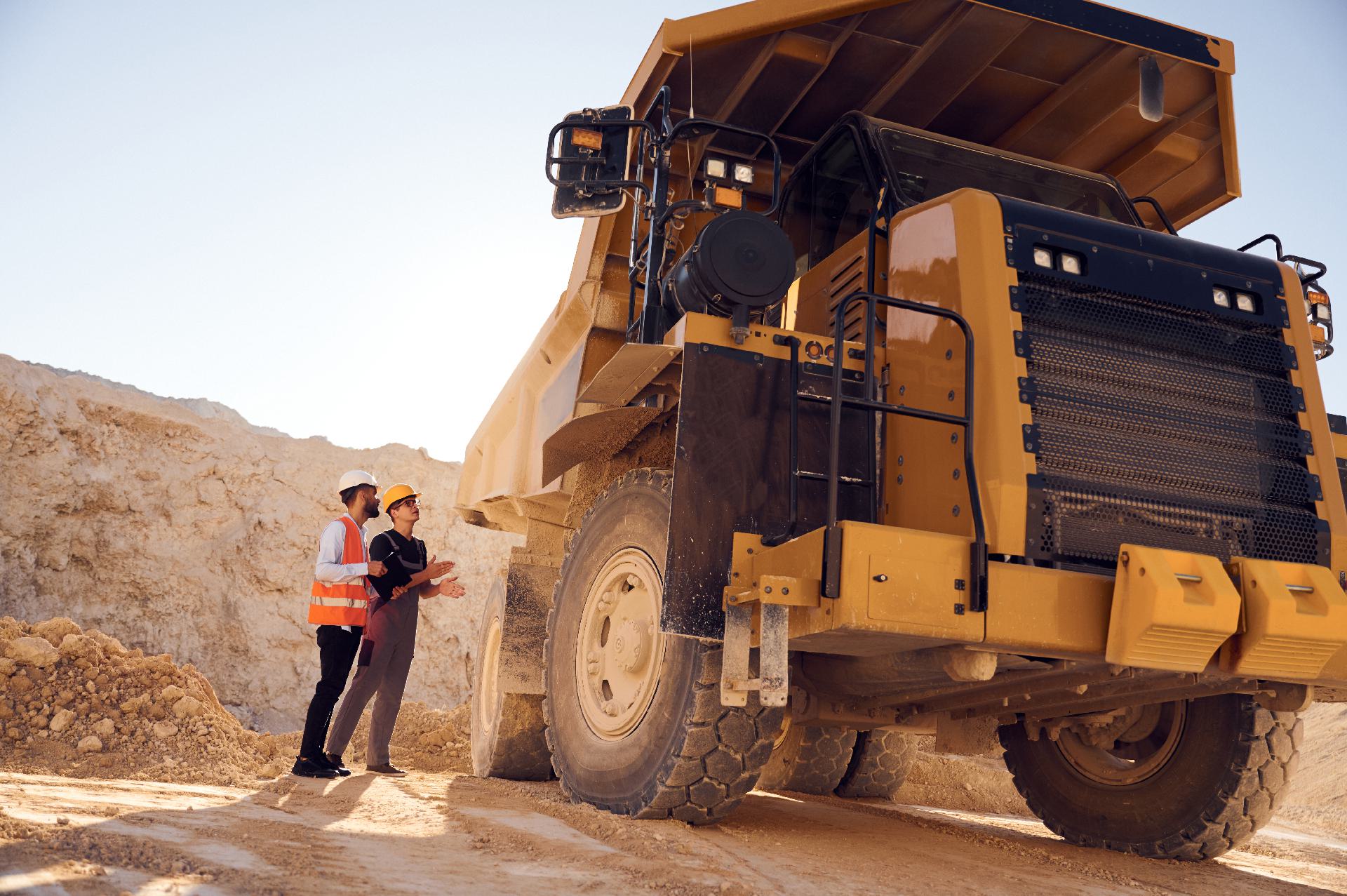
From there we run the analysis that earns its keep, such as failure patterns that flag an asset before it stops, and cycle data that shows where fleet time is really lost. Safety, training and governance are built in, not bolted on afterward, so the people using the analysis understand its limits and the controls around it stay intact. That is principle two. And we keep the records documented and versioned, principle six, so a maintenance history or a safety trail is audit-ready and defensible, which matters a great deal in high-risk work. You can read how these principles run through everything we build in our approach.
Field data capture is part of this. Getting prestarts, inspections and shift logs off paper into structured records is what makes the predictive side possible, because a failure pattern is only as good as the maintenance and inspection history feeding it.
When this is, and is not, the right call
This work fits a services or contractor business with real equipment data and a recurring, costly problem, such as an asset that keeps failing or utilisation that never adds up. It fits when you want early warning and trustworthy reporting first, not a research project.
It is not the right call if your data is one spreadsheet and a feeling, or if you are chasing market forecasts rather than operational ones. We do not predict oil prices, and we will say so. We also will not put analysis in the path of a safety-critical decision. Risk indicators inform your people; the operational and safety calls stay with accountable staff under your existing safety management system.
Australian context
Australian mining, oil and gas operates under state mining and petroleum regulators, work health and safety legislation for high-risk work, and NGER energy and emissions reporting, with environmental and rehabilitation obligations tightening. Where customer or personal data is involved, the Privacy Act and the Australian Privacy Principles apply, and we keep cloud analytics mindful of data residency. We build analysis that gives your compliance team traceable, defensible inputs in AUD terms, while the formal submissions and the safety calls stay with the staff accountable for them.
Related work
This pairs with our broader Data Insights & Analysis service and our work across Mining, Oil & Gas. If field paperwork is the bottleneck, AI Agents can help get it off paper and into structured records.
Read more about our Data Insights & Analysis service and our work in Mining, Oil & Gas sector.
Representative solutions.



Frequently asked.
What is predictive analytics in the oil and gas industry?
What is the prediction for the oil industry?
Is AI in mining real?
How can AI be used in mining?
What is the latest technology in mining?
Where do you usually start?
See what your site data already knows
Tell us the asset that keeps failing or the shift where the tonnes never add up. We will show you what your existing telematics, historian and field records can already reveal, before you spend on anything new.
Book a discovery call