
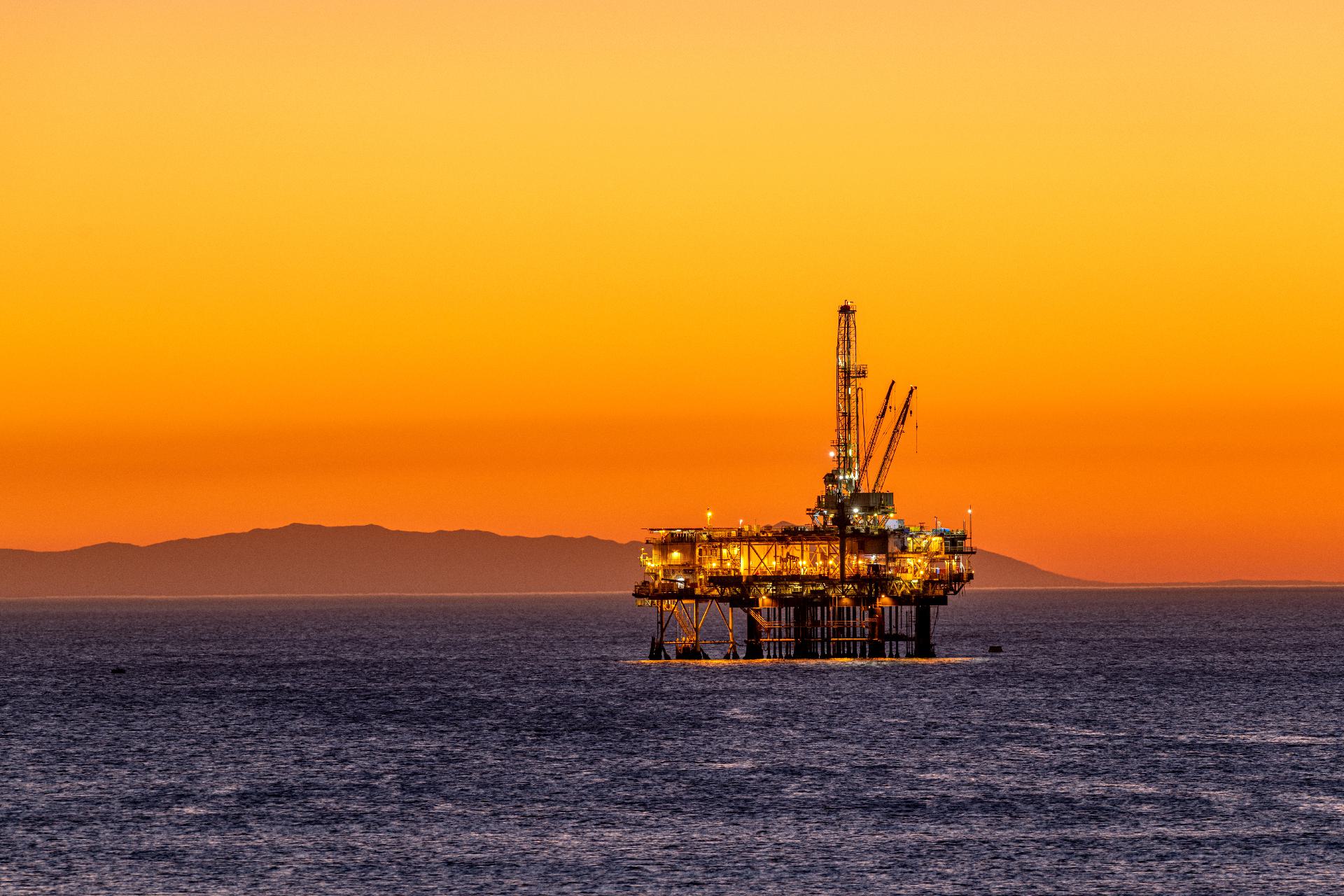
Oilfield Predictive Analytics and Tighter Site Processes
Oilfield Predictive Analytics and Tighter Site Processes.
You start the shift and the report from last night is already out of date. A loader is down again, the maintenance plan assumed it would run another fortnight, and the breakdown will cost you tens of thousands of dollars an hour. A contractor is stuck at the gate because an induction record is sitting in someone's ute. Half your field crew are filling in paper forms that will be re-keyed twice before anyone trusts the numbers. We work on exactly this layer. We map how work really moves across your shifts and sites, pull your equipment and field data into one place, and redesign the slow steps so the gains stick. The safety controls stay exactly as your system requires.
Book a discovery callWhere this pays off on a mining, oil and gas site
Oilfield and equipment predictive analytics
Pulling sensor, maintenance and field data together so wear and failure get spotted early, planned maintenance is sequenced around real condition, and unplanned downtime on critical equipment drops.
Field data capture off paper
Replacing paper forms and one person's ute with structured capture that survives patchy connectivity, so inspection and production data is trustworthy by the time it reaches the office.
Contractor onboarding flow
Removing the duplication and re-keying in inductions, competencies and documentation so contractors clear the gate sooner, with no competency or compliance requirement lowered.
Safety and maintenance records that hold up
Documented, versioned safety and maintenance trails built around your obligations, so the evidence is audit-ready and defensible when a regulator or auditor asks.
Where you are stuck
The bottlenecks on a mining, oil and gas site are rarely a mystery. You know which loader keeps going down, which report takes three people two days, and which contractor sat at the gate for half a shift. The trouble is that the work is held together by a handful of people and the way it has always been done. Equipment fails on a schedule nobody planned for. Safety and compliance get documented by hand. Field data lives on paper, or in one supervisor’s head, until someone re-keys it into a spreadsheet that nobody fully trusts.
None of that is a tooling problem first. It is a process problem. The data your site already produces is enough to predict most of the failures that blow your budget, but only if it is pulled together and the work around it is designed to use it.
Why a tool on its own under-delivers
The temptation is to buy a predictive analytics product, point it at the site, and wait for the savings. It rarely lands. If the maintenance process still assumes a fixed calendar, a prediction that a pump will fail next week has nowhere to go. If field data still arrives as photos of paper forms, the model is reading noise. Bolting analytics onto a broken process just produces a confident dashboard that the crew learns to ignore.
So we fix the process first and automate second. That order is the whole point of how we work, and you can read the reasoning behind it in our approach.
How we deliver it for mining, oil and gas
Three principles from our approach do the heavy lifting here, in this site’s specifics.
Healthy data ecosystems (#4). Predictive analytics is only as good as the data feeding it. We pull equipment sensor readings, maintenance history and field records into one place, so condition is visible across the fleet instead of scattered. That is what makes a real prediction possible rather than a guess dressed up as one.
Documented, versioned records (#6). We map how work actually moves across shifts, crews and sites, not how the procedure assumes it moves, and we version it. On a remote operation with rotating rosters and patchy connectivity, the gaps are almost always in handoffs designed for an office. Documenting and versioning your safety and maintenance trails is the work, because it is what makes the evidence audit-ready and the next improvement easier.
Training, security and governance (#2). Safety and compliance are handled as part of the design, not bolted on afterwards. Any change near high-risk work goes through your HSE function first, and the people doing the work are part of redesigning it.
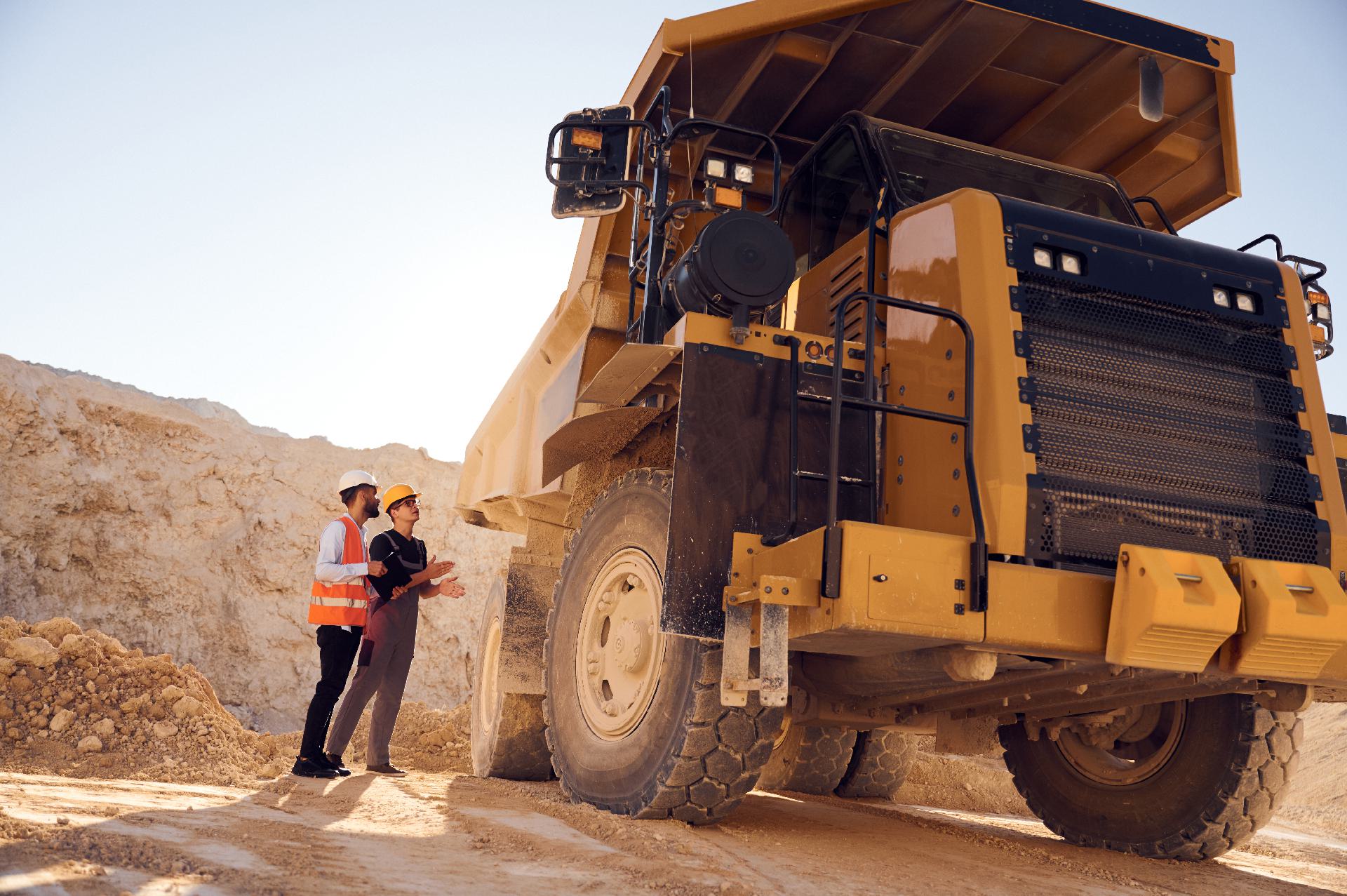
We change one step at a time, prove it against real operational data, then move to the next. A typical engagement starts with a single high-cost, lower-risk process, often maintenance scheduling or field data capture, with a measured baseline such as downtime hours, onboarding lead time or reporting effort.
When this is, and is not, the right call
This is the right call when you have obvious bottlenecks, data that is already being produced but not used well, and a willingness to redesign before you automate. It pays off fastest on the administration and planning that surrounds operations.
It is not the right call if what you are really asking us to do is speed up a safety control or an isolation step. We will not touch those. They exist because the consequences of getting them wrong are catastrophic, and they stay exactly as your safety management system requires. If a process exists purely for safety, we leave it alone and tell you so plainly.
Australian context
We work with mining services, contractors and suppliers across Queensland, Western Australia and beyond, not the majors. WHS legislation and mining-specific safety regulation set strict duties for high-risk work, and state resources and environment regulators set approval and reporting conditions. We design every optimised process so meeting those obligations gets easier and the supporting evidence gets cleaner. We make no regulatory promises beyond that.
Related
See how this connects with Process Optimisation as a standalone service, the broader Mining, Oil & Gas industry page, and our work on Data & Analytics that makes predictive analytics dependable.
Read more about our Process Optimisation service and our work in Mining, Oil & Gas sector.
Representative solutions.
Frequently asked.
What is the prediction for the oil industry?
Is AI mining real?
What is mining of technology?
What is AI in mining?
What is the highest paying job in the mining industry?
How can AI be used in mining?
Find the process that is quietly costing you
Point us at where the time and money leak, whether that is maintenance planning, field paperwork or onboarding. We will show you where a tighter, documented process pays off while the safety controls stay exactly where they are.
Book a discovery call