
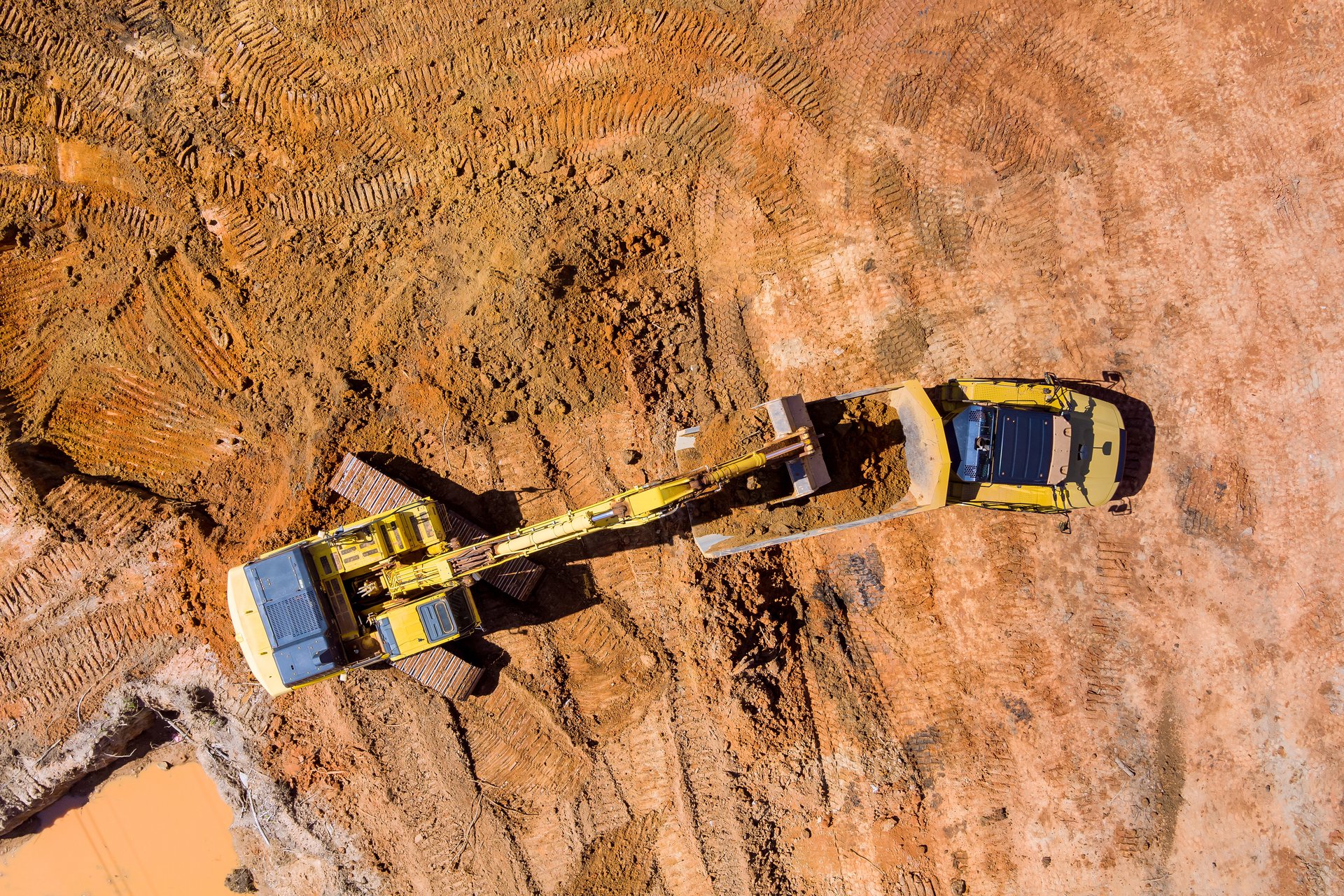
A mine site safety app that works where there's no mobile signal
The outcome we're after.
A remote mine site runs on safety records. Pre-start checks, take-5s, permits to work, plant inspections, hazard and incident reports. The catch is that the place where the work happens often has no mobile signal, so a cloud form is useless and a lost record is a compliance failure. An offline-first app built on Microsoft Power Platform captures the check on a phone or tablet in the pit, holds photos, signatures and GPS locally, and syncs cleanly when the truck climbs back into range. The crew gets a faster way to work than paper, and the site gets a record that holds up to a regulator.
Book a discovery call 
The safety record that never makes it back from the pit
A remote mine site lives or dies on its safety records, and the records are made in the worst possible place to capture them. The pre-start check happens at the machine, at the start of a shift, often kilometres from the office. The take-5 happens at the face before a task. The permit to work is issued where the high-risk job is done. These are exactly the spots a remote site has no mobile coverage, so the record that the law and the site both depend on is made in a connectivity dead zone.
For decades the answer was paper. A triplicate pad in the cab, a clipboard on the rig, a permit book in the supervisor’s ute. Paper works offline, which is its one real virtue, but everything after capture is slow and lossy. Pages get wet, smeared with grease or left in a door pocket for a week. A pre-start that flagged a fault sits in a pile until someone keys it in, by which time the plant has done another shift. When an inspector asks for the permits issued on a given day, someone spends an afternoon in a folder.
The compliance frame is unforgiving. Under the model Work Health and Safety laws coordinated by Safe Work Australia and the state mining safety regulations that sit over them, a mine operator has duties to manage principal hazards, control high-risk work, and keep records that prove it. A lost or illegible record is not a paperwork annoyance. It is a gap in the evidence that the site managed a risk, and after an incident it is the first thing asked for. The honest problem is that the place safety records are made and the place they are needed are not the same place, and no signal connects them.
Why Power Platform, built offline-first
The build that works is an offline-first field app on Microsoft Power Platform, where every capture completes on the device with no signal and syncs when coverage returns. The operator opens the pre-start, take-5, permit or incident form on a phone or rugged tablet, works through it in the pit, attaches photos, a GPS point and a signature, and submits. The record is held safely on the device until the vehicle climbs back into range, then uploads on its own.
Power Platform headlines this build for reasons that matter on a mine, not because it is the default. Power Apps runs genuinely offline, holding the forms and the captured data locally so a worker is never stranded by a dead zone. Power Automate runs the flows behind the scenes, routing a flagged hazard or an issued permit to the right supervisor and raising an alert when a high-risk permit is near its expiry. The whole thing sits inside the site’s existing Microsoft 365 tenant, so identity, security and data residency follow rules the business already meets rather than a new offshore service nobody vetted. A safety dashboard in Power BI then turns the captures into a live picture of overdue inspections, open hazards and active permits, so a supervisor sees the site’s safety state without waiting for paper.
The scope stays on capture and compliance, deliberately. The app records the check, enforces the steps, and proves the record. It does not try to be a maintenance system or a fleet tracker. That focus is what keeps the forms fast enough that crews use them.
Building it, and where it got hard
The model was rarely the hard part. The friction lived in the gap between the pit and the office, and two problems stand in for the rest.
The first was sync that does not lose a record. A naive offline app uploads its queue the moment it sees a bar of signal, which on a haul road is exactly when the connection is weakest. A large pre-start photo stalls on a thin link, the upload times out, and the record either fails silently or blocks everything behind it. On a safety record that is unacceptable, because a worker who hit submit assumes the job is filed. The fix was a sync built for thin links that treats each attachment as its own unit, uploads photos and signatures separately, retries on failure, and resolves conflicts instead of overwriting. We surfaced a clear pending state on the device so a worker can see what has not yet synced, and reconciled the device queue against the server so a capture made hours from signal arrives intact once the truck reaches the camp.
The second was getting crews to use it at all. The first prototype was a faithful copy of the paper form, and operators hated it. Big gloves, bright sun and a hurry at shift start punish a form built for an office. Small buttons missed, free-text fields went blank, and people quietly went back to the pad. The fix was to design for the field, not the desk. Large touch targets, high-contrast layouts that read in glare, drop-downs and toggles in place of typing, and a camera button where a written description used to be. We timed it against the triplicate pad and made the digital pre-start faster, because a form that beats paper on time gets used and one that does not gets skipped. We tested with real operators in the pit before rollout, since a skipped record is both a safety gap and a compliance gap.
Two constraints shaped the rest. The devices had to survive the environment, so the app assumes ruggedised hardware and degraded conditions rather than a pristine handset. And because each capture can become evidence, records are written once with their timestamp, identity, GPS and sign-off intact, so the audit trail holds up to a mining inspector.
What changed
In a representative deployment the offline-first app captured pre-starts, take-5s, permits and incident reports in parts of the site that had never had coverage, and synced them without loss once a device returned to range. The paper pile that used to take days to reach the office became a record available the moment the truck climbed back into signal. A pre-start or take-5 that ran several minutes on a triplicate pad dropped to under a minute on a glove-friendly form, which is the reason crews used it rather than reaching for the pad.
The compliance side moved just as much. High-risk-work permits and pre-starts became searchable, with timestamps, GPS and sign-off attached, so producing the records for a given day or a given machine took minutes instead of an afternoon in a folder. These figures are illustrative. They describe the pattern we see rather than a published result for a named site. The shape is the point. The record made in the dead zone reaches the people who need it, the crew gets a faster way to work, and the site holds evidence that stands up when a regulator asks.
Where this fits
A field safety app is one application of our Process Optimisation service, built on Microsoft Power Platform, for the realities of a remote Australian mine. It is a contained, high-return starting point, because the work already happens and the value comes from capturing it cleanly offline and getting it back to the office without loss. If your safety records are still made on paper in places with no signal, the place to start is to map your pre-starts, permits and incident reports and decide which to move into the field first.
Representative outcomes
Records that survive the dead zone
In a representative deployment, captures made hours from signal synced without loss once a device returned to range, replacing a paper pile that took days to reach the office.
Faster than the paper form
A pre-start or take-5 that took several minutes on a triplicate pad dropped to under a minute on a glove-friendly form, which is why crews used it.
Audit-ready permits
High-risk-work permits and pre-starts became searchable with timestamps, GPS and sign-off attached, so producing a record for an inspector took minutes rather than a hunt through folders.
This solution applies our Process Optimisation service, built primarily on Microsoft Power Platform , for the Mining, Oil & Gas sector.
Supporting stack: Power BI, Microsoft 365.
Go deeper: Process Optimisation for Mining, Oil & Gas , or Process Optimisation with Microsoft Power Platform.
Related solutions.
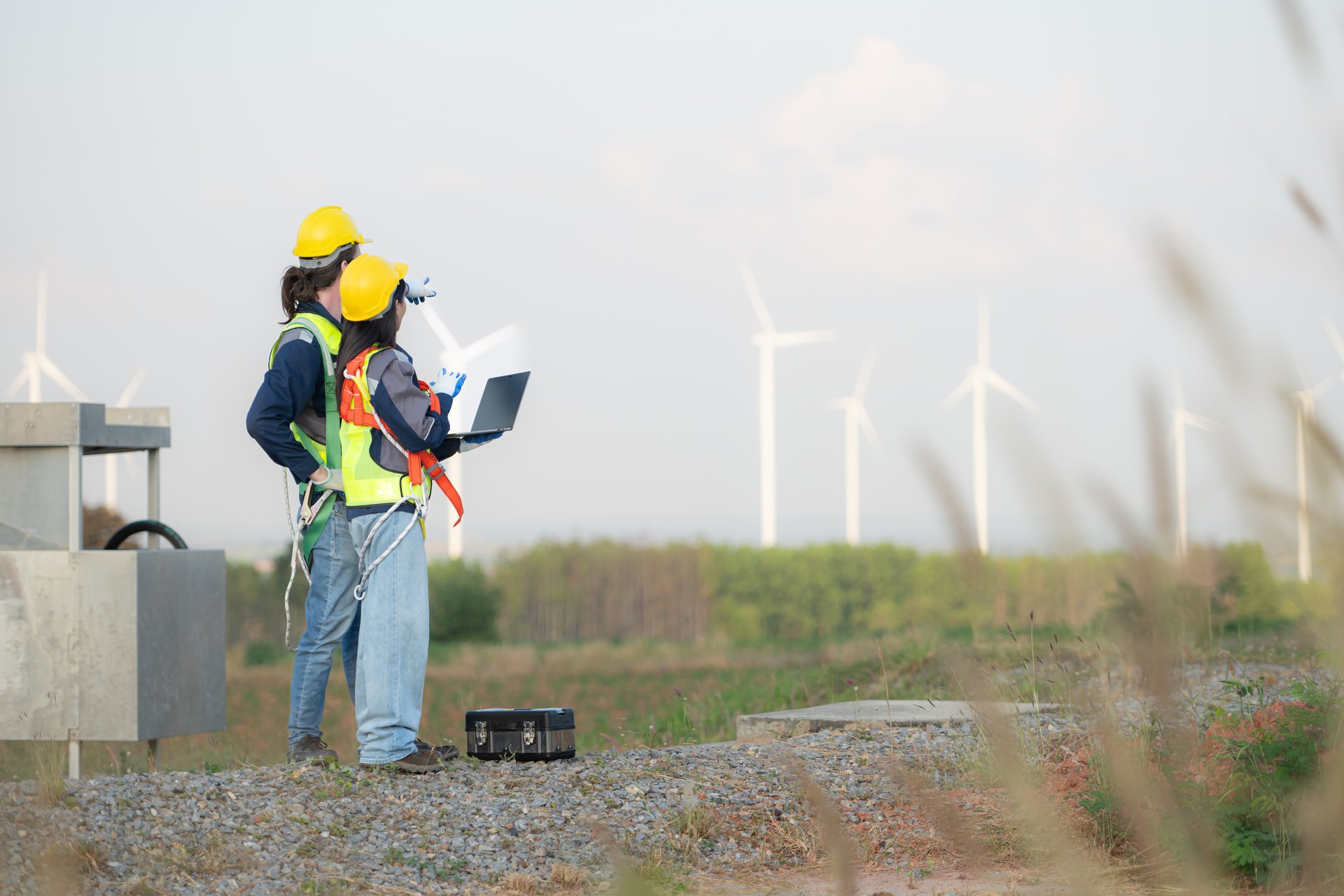
Representative Solution. An illustrative scenario based on how we deliver, not a named client engagement. Outcome figures are representative, not published results.
Frequently asked.
How is technology being used in mining safety?
What does a digital safety inspection actually cover?
Does it work with no mobile signal at a remote site?
How does the data sync without losing a record when signal returns?
Will crews actually use it instead of paper?
Get safety records out of the dead zone
We will map your pre-starts, permits and incident reports and show you how an offline-first Power Platform app would capture them in the field and sync them clean.
Book a discovery call