
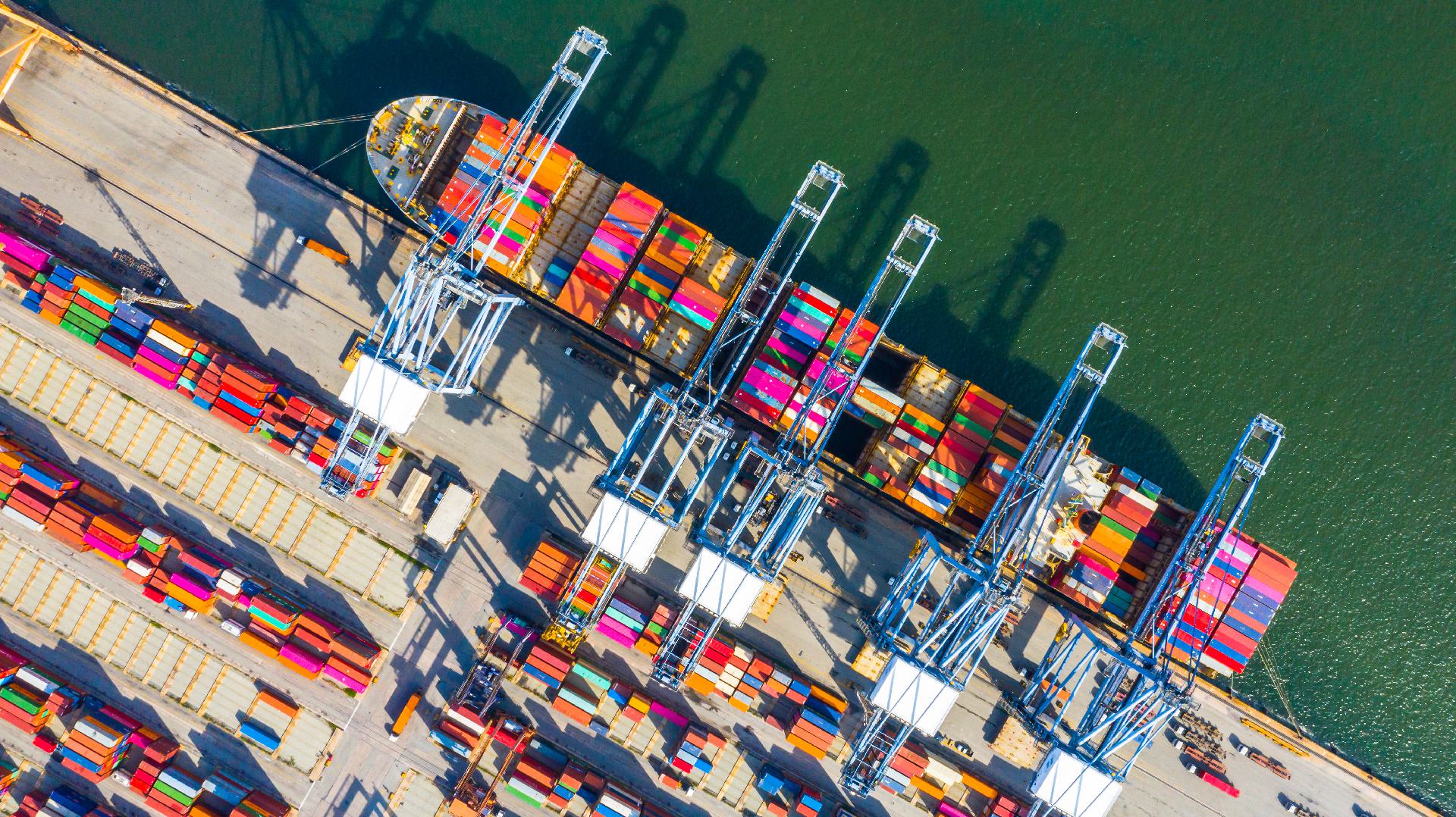
New supply chain management technology, built on a fixed process first
New supply chain management technology, built on a fixed process first.
The common pitch is that new supply chain management technology will fix your operation on its own. Bolt AI onto how you dispatch and bill today and it mostly speeds up a broken process. The grounded path is the other way around. We map how a load actually moves from booking to dispatch to proof of delivery to invoice, fix the steps that leak time and money, then add automation to the version that works. For an Australian transport operator that means tighter routing and scheduling, cleaner in-cab capture, and chain-of-responsibility records produced as work happens. The process redesign is the gain. AI makes the fixed process run faster and with fewer hands.
Book a discovery callWhere a fixed process beats a bolted-on tool
Routing and scheduling redesign
We map how loads are planned and sequenced today, remove the manual re-shuffling, then apply optimisation so vehicles and drivers run fuller routes with fewer late or empty legs.
Proof of delivery to invoice
The biggest leak is data captured loosely in a cab that reaches the office late or not at all. We redesign that handoff so completed jobs become accurate invoices quickly, cutting credits and disputes.
Chain-of-responsibility records
Mass, fatigue, maintenance and load-restraint evidence captured as a by-product of the daily workflow, versioned and easy to produce, rather than reconstructed under audit pressure.
Connected job and tracking data
Job, vehicle and tracking data pulled into one healthy flow so dispatch, billing and compliance read from the same source instead of three disconnected systems.
One route at a time
We change one corridor or one process step, prove it against real loads, then extend, so a busy operation keeps running while it improves.
Where transport operators get stuck
You are running on thin margins and tight windows. Loads get planned in someone’s head and a spreadsheet, drivers capture delivery details however they can, and the office spends its days chasing missing proof of delivery so freight can be billed. Systems for jobs, tracking and accounts do not talk to each other, so the same details get re-keyed two or three times. When an audit or a customer dispute lands, the compliance records have to be reconstructed from memory and scattered notes. None of this is a vehicle problem. The freight moves. It is the process around the freight that decides whether a load is on time, billed correctly and defensible.
Why new technology alone under-delivers
The temptation is to buy new supply chain management technology, switch it on, and expect the bottlenecks to clear. The trouble is that a tool inherits whatever process you point it at. Automate manual scheduling that already double-books drivers and you get faster double-booking. Add AI document reading on top of loose in-cab capture and it confidently mis-reads the gaps. Connect a new system to three sources of truth that disagree and you spread the disagreement faster. The technology is not the problem. The undocumented, ad-hoc process underneath it is, and a tool cannot fix what was never mapped.
How we deliver it for freight operators
We redesign the process first, then add AI to the version that works. Three principles from our approach shape how we do that for a transport business.
We start with documented, version-controlled process. We follow a real load from booking through dispatch, delivery and invoice, and write down how the work actually flows rather than how the manual says it should. That map is versioned, so every improvement is recorded and the next one is easier. It is also what makes your chain-of-responsibility evidence defensible, because mass, fatigue and maintenance records become a traceable output of the process instead of an annual scramble.
We work in small batches. We change one route, one corridor or one handoff at a time, prove it against live loads, then extend. A busy operation cannot stop while it improves, so we never attempt a single big switch-on.
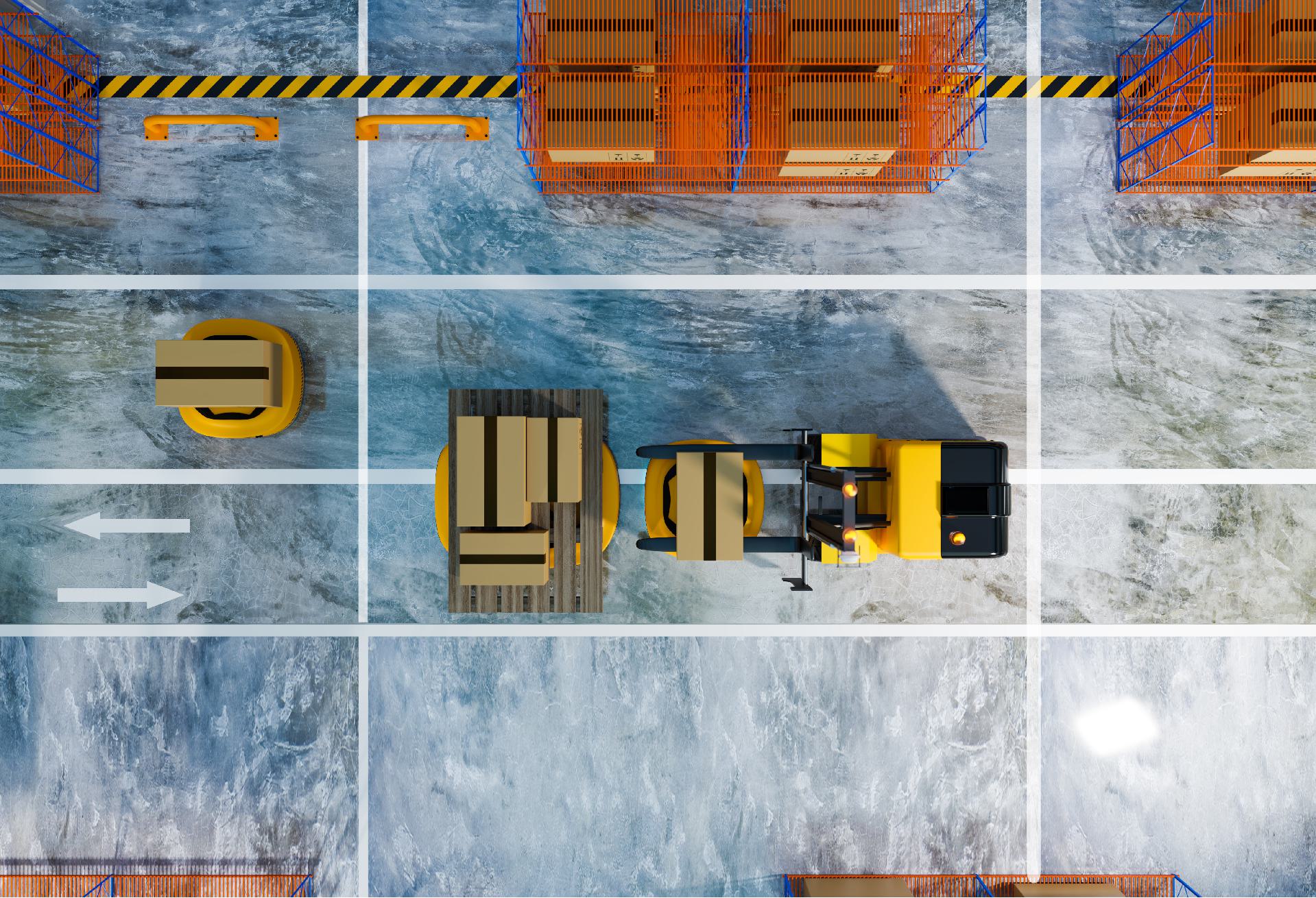
We design around the result and the people doing the work. A capture step a driver will not use at a loading dock is worthless, so we build it to be quick and reliable in a cab, which is also how the office finally gets clean data. Underneath all of it we pull job, vehicle and tracking data into one healthy flow, so dispatch, billing and compliance stop reading from sources that disagree.
Only once a process is mapped, fixed and stable do we add automation. That is where AI earns its place, sequencing routes, matching freight documents, flagging at-risk jobs and turning proof of delivery into clean invoice data, all running on inputs we can trust.
When this is the right call, and when it is not
This work suits an operator whose freight moves fine but whose admin, scheduling or compliance keeps costing time and margin. If your real constraint is a single obvious gap, a quick fix around your existing systems may be all you need, and we will say so. We do not push a new TMS or a fleet AI platform when the loss is in handoffs we can repair around what you already run. Where better in-cab capture or a system change clearly lifts on-time performance or billing, we make that case with numbers first, not as a default. If you only want a tool installed on top of today’s process, we are not the right fit, because that is the path we are warning against.
Australian context
We design every optimised process for the Australian setting. The Heavy Vehicle National Law, administered by the NHVR, places chain-of-responsibility duties on every party in the supply chain for mass, fatigue, maintenance and load restraint, and work-diary and fatigue rules constrain how drivers can be scheduled. We build the capture of that evidence into the daily workflow so your operations and your compliance obligations get easier together. This is operational support, not legal advice, and we keep the records you produce conservative and traceable.
Related reading
Explore Process Optimisation as a service, see how it sits alongside AI Agents for freight admin, and read more about Transportation & Logistics.
Read more about our Process Optimisation service and our work in Transportation & Logistics sector.
Representative solutions.
Frequently asked.
How can AI be used in logistics?
Is AI taking over the supply chain?
What are the 5 ways AI is becoming essential to supply chain?
What are the 7 C's of logistics?
How is AI impacting logistics?
Map one load, end to end
Point us at the spot where freight or paperwork backs up, dispatch, proof of delivery or billing. We will follow one load through it and show where a fixed process recovers margin before any tool is added.
Book a discovery call